Start with something you can point to
“Organize my photos” or “learn to cook” may be worthwhile ambitions, but neither tells you what you will have when the project is done. Before making a task list, write one sentence that names a visible outcome. For example: “I will make a printed album of 30 family photos,” or “I will prepare a simple dinner for four using three dishes I have practiced.” The outcome can be physical, digital, or an event. What matters is that you could show it to someone or describe exactly what happened.
If you cannot name an outcome yet, list three possible versions of the idea. For a writing project, those might be a one-page story, a short collection of prompts, or a letter to a friend. Pick one for now. You are not abandoning the broader interest; you are giving this particular project an end point.
Define finished before you begin
A clear outcome still needs a finish line. Otherwise, “make an album” can expand into sorting every photo you own, learning design software, and finding the perfect cover. Write a short definition of done that includes the essential features only. The album might be finished when it contains 30 selected photos, captions for the people and places you can identify, and a cover. It does not need to contain every good photo.
Add a few boundaries: how much time you are willing to spend, what materials you already have, and what you will deliberately skip. Keep these separate from the definition of done. If printing costs more than expected, for instance, you could make a digital album while preserving the main aim: a shareable selection of photos. Boundaries help you make that kind of adjustment without starting over.
Find the next actions, not every possible task
Work backward from the finished outcome and identify the few stages it requires. A photo album might involve gathering candidate images, choosing 30, arranging them, adding captions, and producing the final copy. Then turn only the first stage into actions you could do in a short work session. “Find the photos from last summer on my phone” is more useful than “sort photos.”
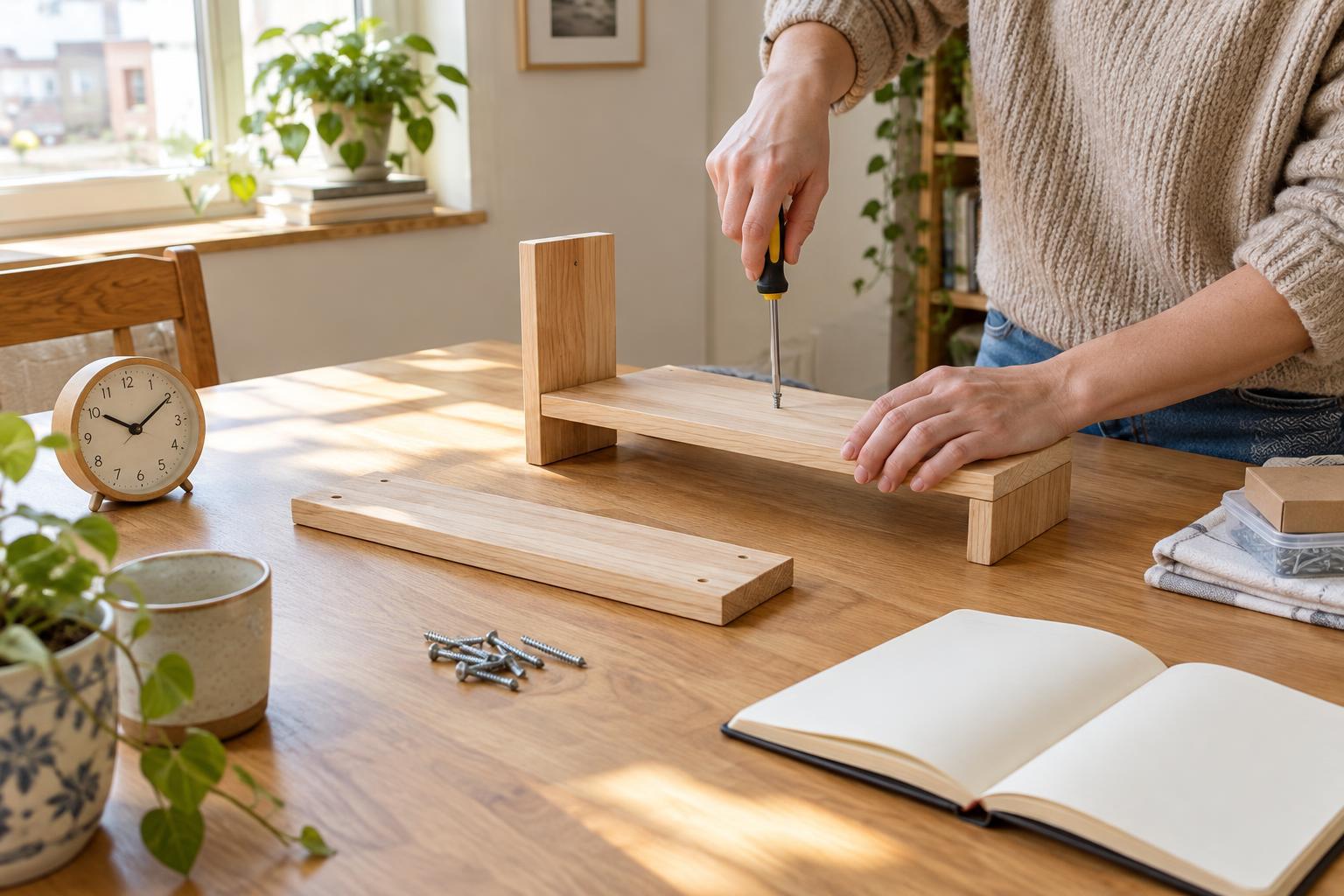
Write down your next two or three actions and give each one a stopping point. You might gather images for 25 minutes, then put the candidates in one folder. You do not need a complete schedule for the whole project before you begin. As you work, you will learn which steps are easier, slower, or unnecessary. Update the plan from what you discover rather than treating your first list as a contract.
Make room for decisions and obstacles
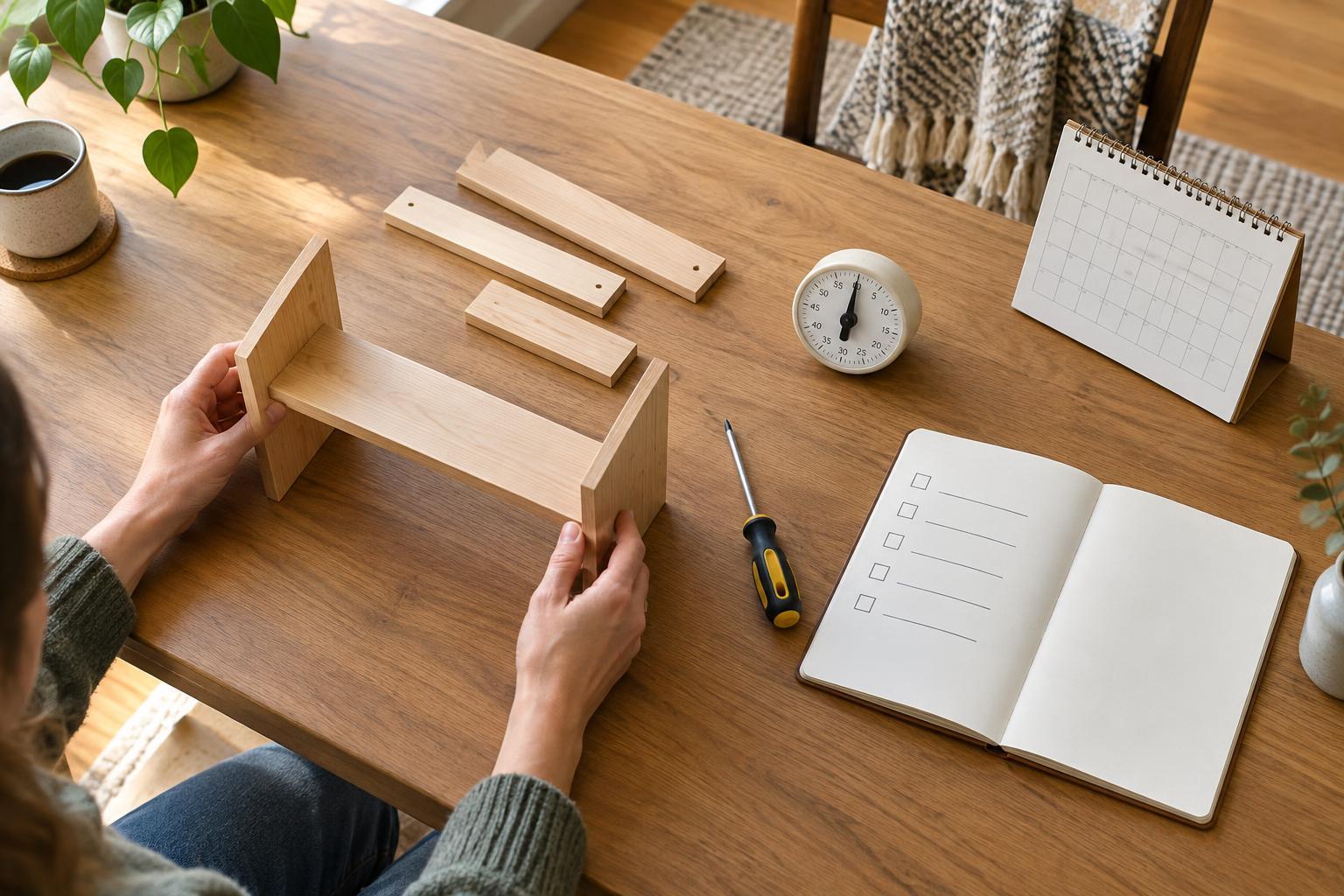
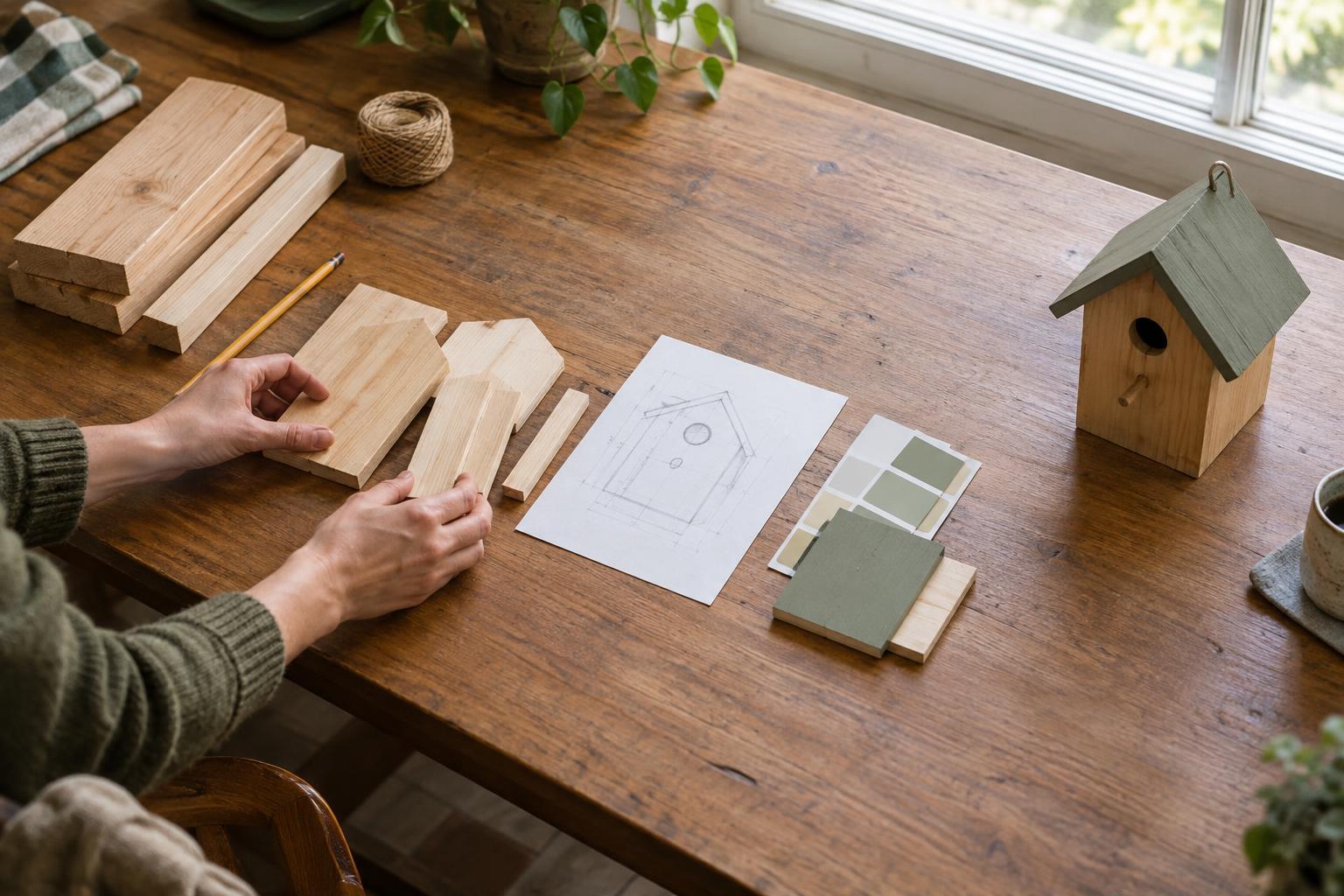
Many projects stall at an unnamed decision. You may be ready to write captions but unsure whom the album is for; ready to build a shelf but unsure where it will go. Add these decisions to the plan as actions: “Choose the album’s audience” or “Measure the wall.” When a decision is difficult to reverse, try a small test before committing. Arrange five photos on a page, make a rough sketch, or cook one dish before planning the full meal.
Also decide what you will do if time or energy runs short. Choose a smaller version that still produces an outcome: 15 photos instead of 30, one finished shelf instead of a whole storage system, or a draft shared with one reader instead of a polished booklet. This is a useful fallback, not permission to keep changing the goal whenever a step feels tedious. Write down the smaller version in advance so you can distinguish a sensible adjustment from avoiding the work.
Close the project on purpose
When the outcome meets your definition of done, mark it finished. Send the file, use the shelf, serve the meal, or put the album where people can see it. A project can always be improved, so look at your original finish line rather than searching for one more task. If an important requirement genuinely changed, name the change and set a new, limited finish line.
Take a few minutes afterward to record what helped and what you would do differently. Keep this review brief: one thing that worked, one obstacle, and one idea for a future project are enough. Finishing does not have to mean producing the best version imaginable. It means completing the version you chose, learning from making it, and leaving yourself free to choose what comes next.