Describe the finish line
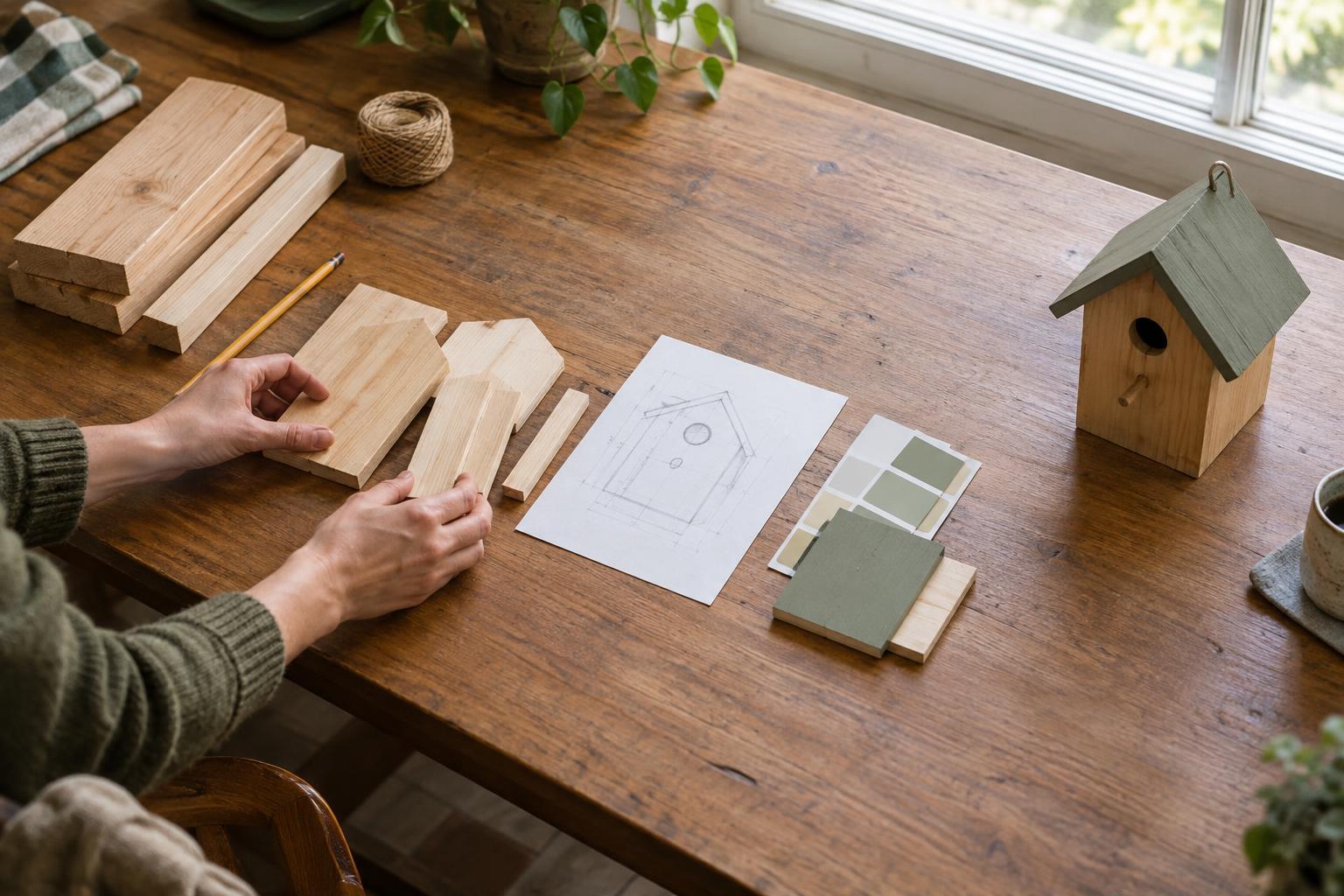
Personal projects often begin as appealing but vague intentions: organize family photos, learn to make a short film, or refresh a room. Before listing tasks, describe what someone could see or use when the project is finished. “Make a family photo album” might become “a printed album of selected photos, arranged in order, with short captions, ready to give as a gift.” That description gives you something concrete to plan toward.
Set a reasonable boundary around the result. What must it include, and what would merely be nice to add? For the album, clear images and accurate names may be essential; elaborate page designs may not be. Write a simple completion test, such as “I can look through every page without finding a missing caption or an image I meant to replace.” A finish line that depends on perfection can keep moving, so choose a standard you can recognize and reach.
Trace the steps backward
Imagine the moment just before the project is complete. What has to happen immediately before it? A printed album needs a final review and an order placed. Before that, its pages need to be laid out. Before layout, the photos and captions need to be selected. Keep asking “What must already be true for this step to happen?” until you reach an action you could take now.
This backward chain reveals dependencies that a forward-looking task list can hide. If you need a relative to identify people in several photos, ask early rather than discovering the gap during the final review. Not every task needs to happen in a strict sequence: you might draft captions while sorting images. Mark the steps that depend on someone else, a delivery, or a decision, because those are the ones most likely to affect your schedule.
Turn the chain into workable milestones
Group related steps into a few milestones with visible outcomes. For the album, these might be “photos gathered,” “selection complete,” “pages drafted,” and “final copy checked.” A milestone is more useful when it describes a result than when it says “work on album.” It lets you tell whether the project is moving, even if individual work sessions are short.
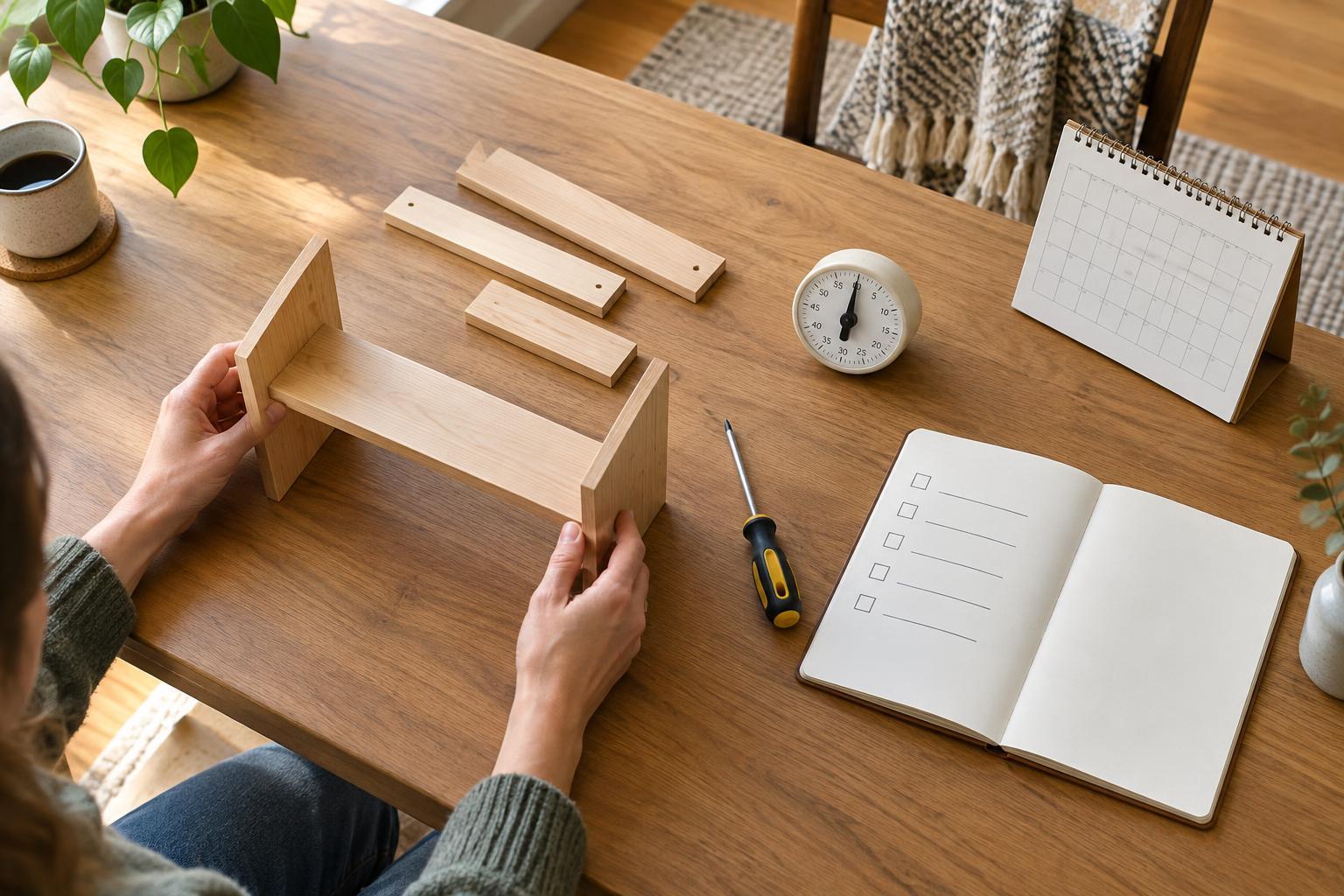
Now estimate the time and effort for each group without treating your first guess as a promise. Look at the time you actually have available, not the time you hope to find. If sorting photos requires several quiet sessions, put those sessions on your calendar before choosing a finish date. Leave some space for corrections or interruptions. A modest plan with room to adjust is usually more useful than a crowded plan you cannot follow.
Start with the smallest useful action
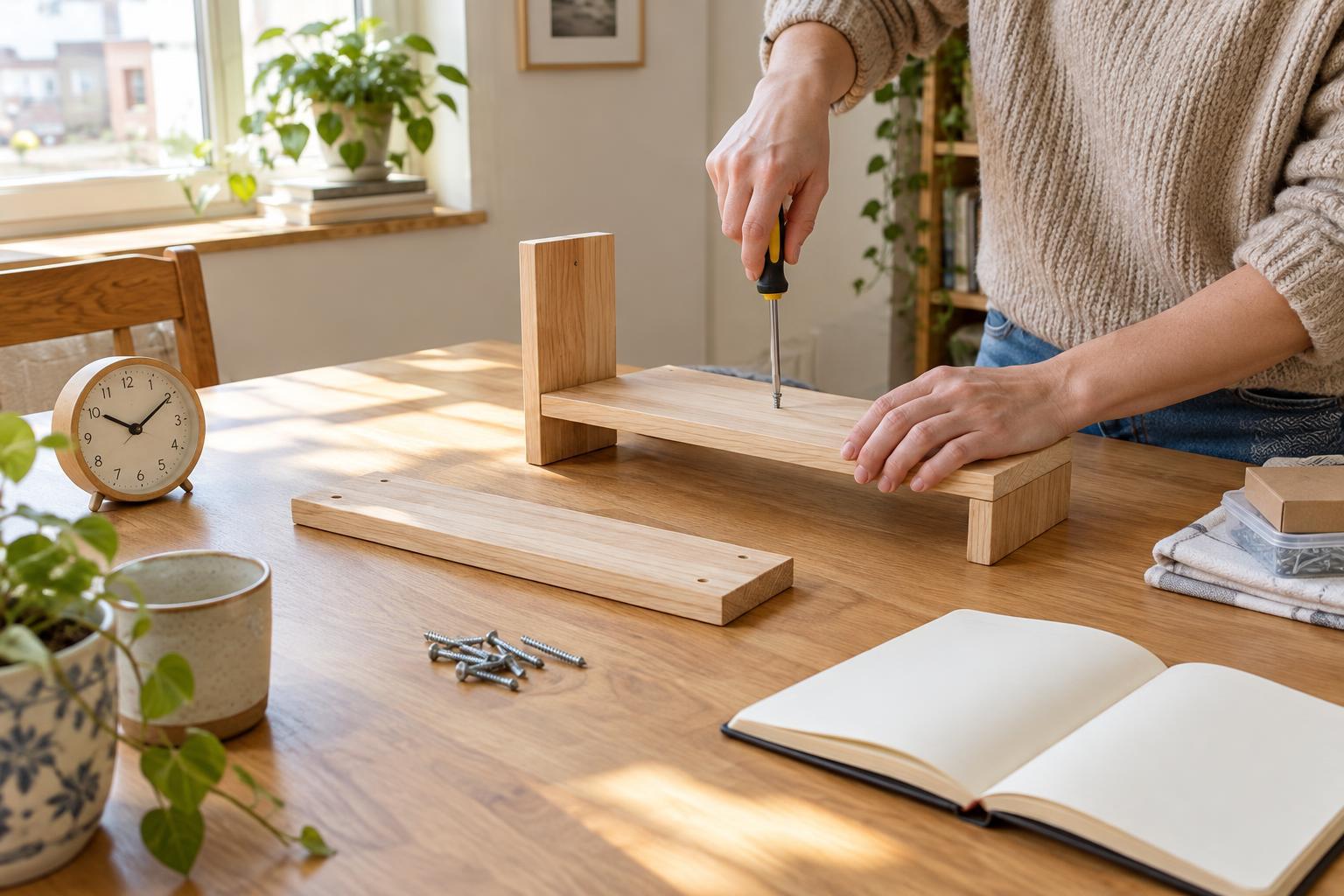
Backward planning should lead to an immediate next step, not just a tidy diagram. Choose an action small enough to begin in one available session: create a folder for candidate photos, list the people whose names need checking, or gather the albums stored in different places. State the action as a verb and an object. “Choose 20 possible opening photos” is easier to act on than “make progress.”
If you feel stuck, check whether the next step contains an unresolved decision. “Design the album” may be too large because you have not decided on its size, order, or approximate number of pages. Split it into decisions you can make separately. You can also try a rough version of one page before planning every page. That small test may show what information or materials you still need.
Use the plan as a guide, not a contract
Review the plan when you complete a milestone or learn something new. You may find that some photos are unusable, a caption takes longer than expected, or a simpler layout looks better. Update the remaining steps rather than trying to follow an outdated sequence. Keep the finish line in view, but change the route when the work gives you a good reason to.
Backward planning is especially helpful when a project has many tempting side paths. When a new idea appears, ask whether it supports the finished result you defined. If it does, make room for it deliberately. If not, save it for another project. The aim is not to remove creativity from the process; it is to give your time and attention a clear purpose, so the project can become something finished and usable.