Start with the time you actually have
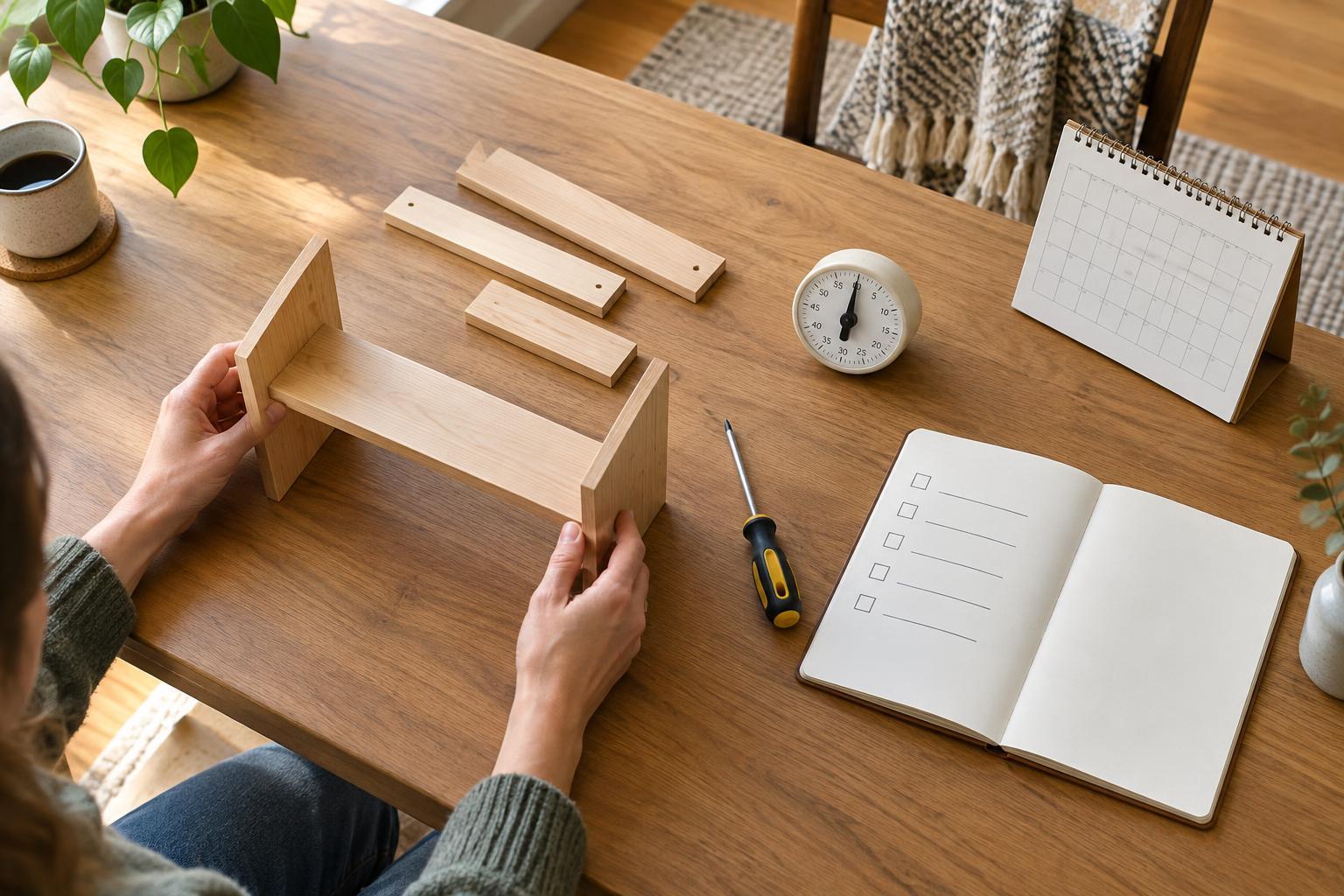
A weekend can feel like a large block of free time until ordinary life takes its share. Meals, errands, rest and other commitments still need room. Before choosing a project, look at your calendar and identify the periods you can reasonably use. Treat those periods as your working time, not the entire weekend. A project that fits your real schedule is more useful than one that fits an imaginary uninterrupted Saturday.
Also consider the kind of energy each period offers. You may have a quiet morning for decisions and detailed work, followed by a shorter stretch suited to cleanup or simple assembly. If your available time is fragmented, choose a project that can pause between steps. This makes it easier to restart without spending every session remembering where you left off.
Define a finished result you can recognize
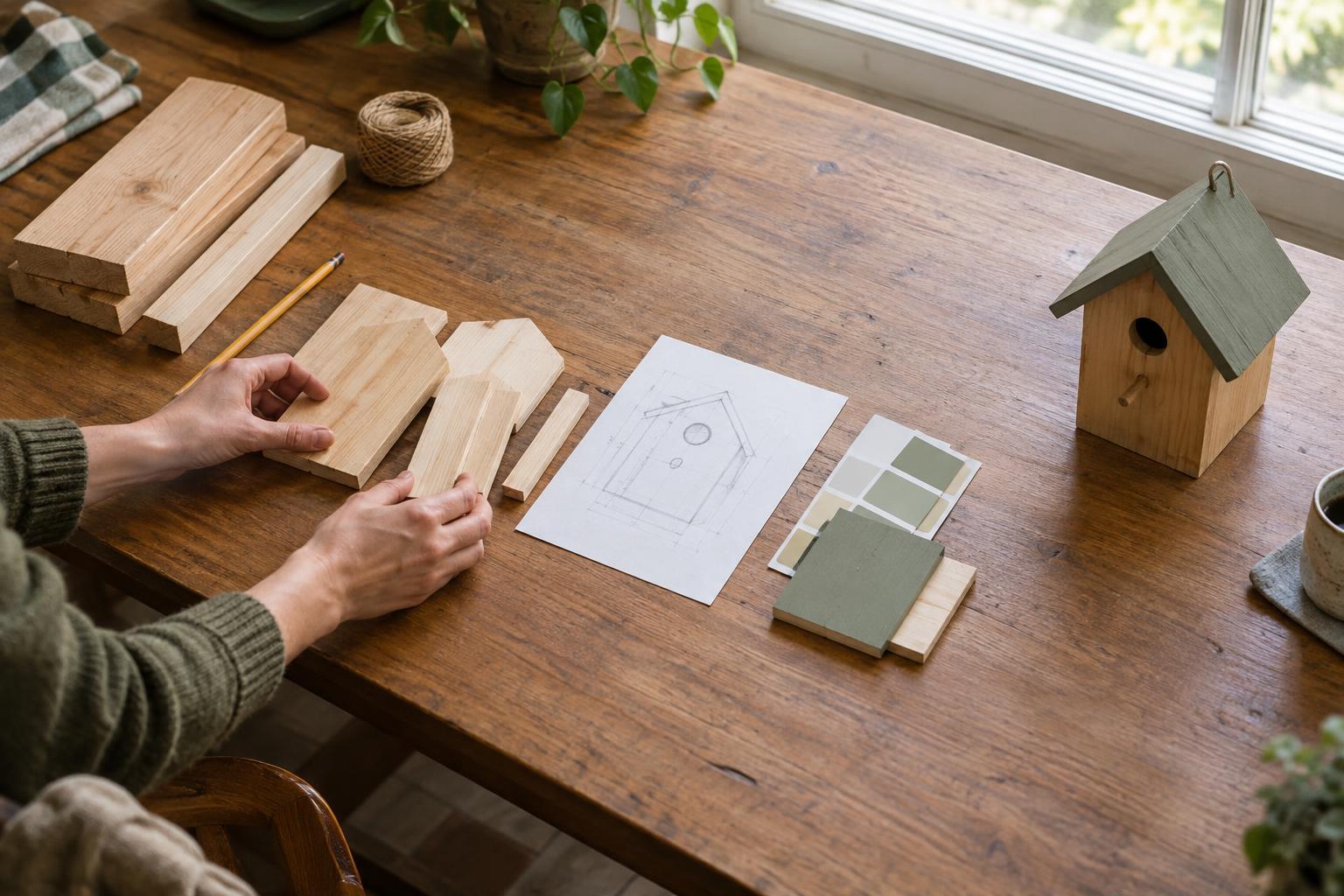
“Organize the spare room” is a direction, not a weekend-sized finish line. “Clear the desk, sort the items on it and give each one a place” is easier to assess. Describe what will be different when the project is done, using something you can see, use or share. A clear result helps you decide which tasks belong in this weekend and which can wait.
Try separating the essential result from optional improvements. If you want to start a small herb garden, the essential result might be containers filled, plants settled and a watering spot chosen. Decorative labels and a redesigned patio can be later additions. This is not lowering your standards; it is deciding what must be complete for the project to serve its purpose.
List the work around the work
Projects often grow because the obvious task is only one part of the job. Painting a shelf also involves clearing a space, gathering supplies, preparing the surface and cleaning up. Write down these supporting steps before deciding whether the project fits. Note anything that depends on a purchase, another person, suitable weather or equipment you have not checked. A task with several unresolved dependencies may be better suited to a planning weekend than a building weekend.
If you are unsure how long a step will take, avoid treating your first guess as a promise. Choose a smaller scope or leave an open period for surprises. You can also test a task before committing to the whole project: sort one drawer, edit one page or assemble one section. That short trial may reveal missing materials or a process that needs more attention than expected.
Choose a core task and a stopping rule
A realistic plan gives you permission to stop. Name one core task that would make the weekend worthwhile, then put other tasks in an “if there is time” group. For example, if your project is creating a personal recipe collection, the core task could be choosing a format and entering the recipes you use most. Scanning every handwritten card and designing a cover can remain optional.
Set a stopping rule before you begin: perhaps you will stop when the core result works, when your planned work period ends or when the remaining tasks would require rushing cleanup. A stopping rule protects both the project and the rest of your weekend. It also prevents a useful result from feeling unfinished simply because you thought of more things you could do.
Finish by making the next step easy
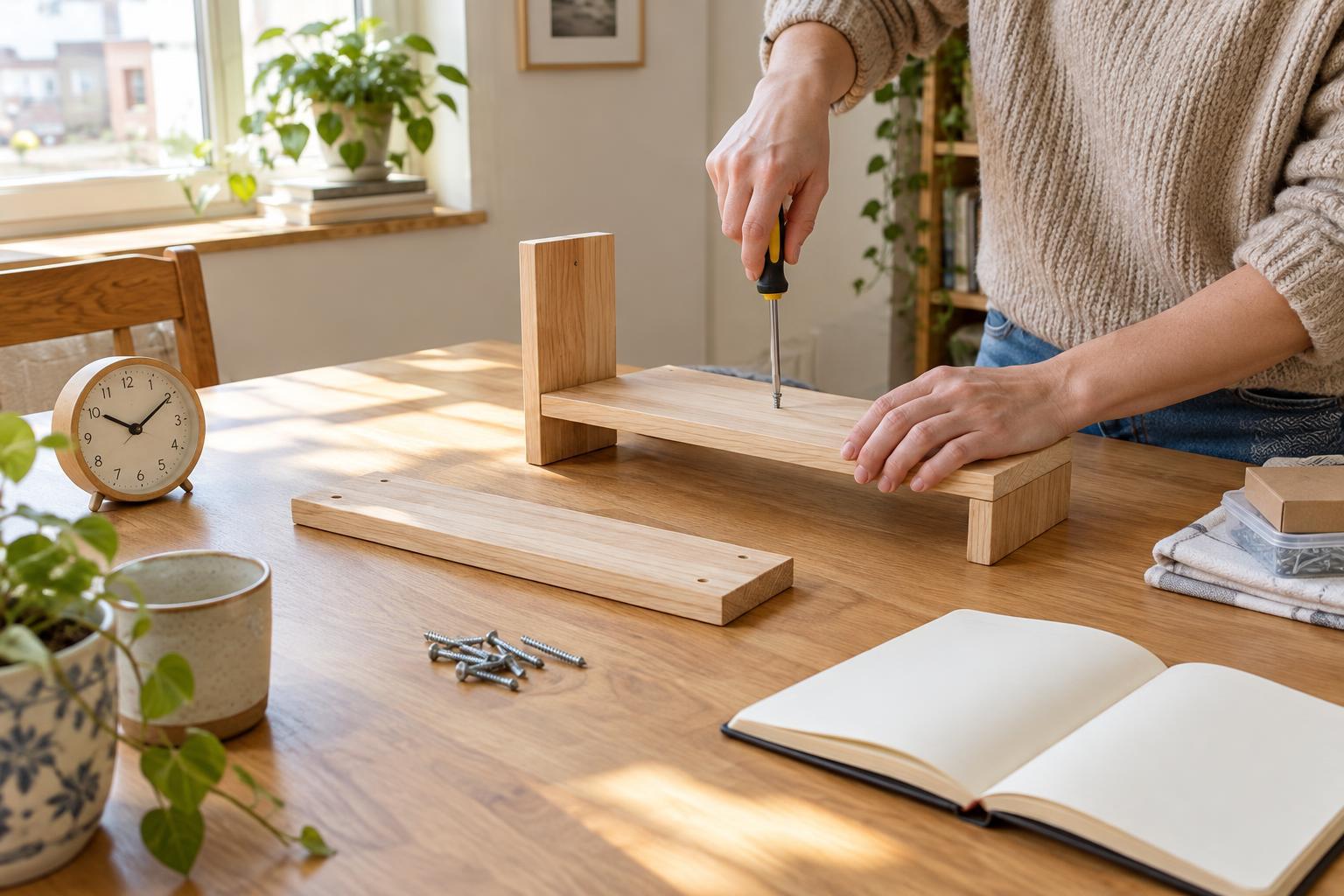
Leave time to put tools away, save files or make the space usable again. Cleanup is part of the scope, not an extra task to fit in after you are tired. If the project continues another weekend, write down what is complete, what remains and where the materials are. A brief note can spare you from retracing decisions later.
At the end, compare the result with the finish line you set, rather than with every possibility you imagined along the way. If the scope was still too large, notice which steps took more effort and use that information next time. The aim is not to predict every detail perfectly. It is to choose a piece of work small enough to complete with care and useful enough to make the weekend feel well spent.