Start with an example that matches your next task
A worked example is a problem with its solution shown step by step. It gives you a path to inspect before you have to find one yourself. This can be useful when a task has several decisions, such as choosing a formula, arranging an argument or deciding where to begin a drawing. Rather than collecting many examples, choose one that is close to a problem you want to solve soon.
Make the starting conditions and the goal explicit. If you are learning to calculate a discounted price, for instance, write down what the original price and discount rate represent and what the final answer should represent. Then read the solution once from beginning to end. On a second pass, pause at each step and ask what information made that step possible. If the example uses terms you cannot explain, look those up before moving on.
Read for decisions, not just actions
It is easy to copy a sequence of actions without understanding why they were chosen. For each step, try finishing the sentence: “This step is here because…” In a discount calculation, multiplying the original price by the discount rate finds the amount removed; subtracting that amount finds the new price. Those operations are related, but they answer different questions. Naming the purpose of each step helps you notice the difference.
Pay particular attention to points where another approach might seem plausible. Why did the writer outline before drafting? Why did the spreadsheet example use a cell reference instead of typing a number twice? You do not need to find the only possible method. You need to see how this method connects the starting information to the goal. If a step still seems arbitrary, mark it as a question rather than silently accepting it.
Hide parts of the solution and fill them in
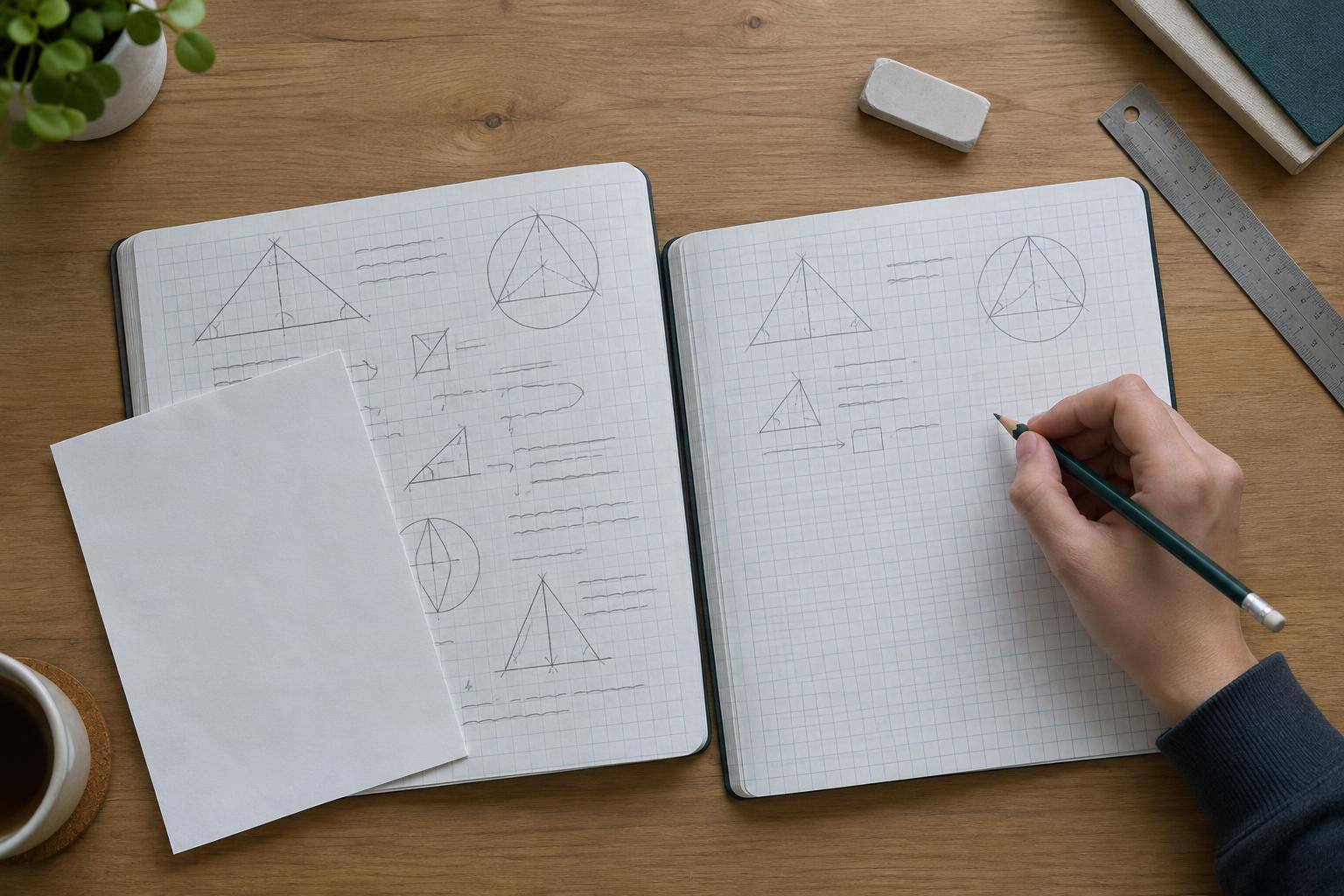
Once the complete example makes sense, use it as a short practice exercise. Cover the next line and predict it before looking. Then cover a larger portion: perhaps the middle calculation, the explanation of a choice or the final check. Compare your attempt with the example and identify the first place they differ. A different answer is not always wrong, but you should be able to explain how your path reaches the goal.
You can also create a partly completed version of the problem. Keep the starting information and the first step visible, but leave the remaining steps blank. Complete them without looking, then check your work. If you get stuck, reveal only enough of the original solution to continue. This gives you support while requiring you to make some decisions yourself. Repeat with less of the solution visible as the process becomes more familiar.
Change one feature, then solve a fresh problem
A nearly identical problem is a useful next step, but it should not be your final test. First, change one feature of the example. For a discount problem, keep the method but use a different price and rate. For a writing example, keep the same structure but explain a different idea. Try to solve the changed problem without referring to the model, and check both your result and your reasoning.
Next, attempt a fresh problem that requires you to decide which parts of the example apply. Before starting, write a brief plan in your own words. If you cannot choose a first step, return to the example and ask which clues you relied on there. Avoid copying its surface details into a task where they do not belong. The aim is to carry over a useful method, not to reproduce a particular answer.
Check what you can do without the example
After practice, put the example away and try another problem later. This is a more meaningful check than feeling that the solution looked clear while you read it. Review your result, but also review your process: Did you identify the goal, choose suitable steps and catch any mistakes? If possible, use a simple check, such as estimating whether a numerical answer is reasonable or reading a paragraph against its stated purpose.
When you make an error, record it in a specific way: “I found the discount amount but forgot to subtract it,” for example, is more useful than “I am bad at this.” Return to the relevant step in the worked example, explain why it matters and try a new problem. Over time, you can rely on examples less often and use them more selectively when a new type of decision appears.