Make the skill small enough to practice
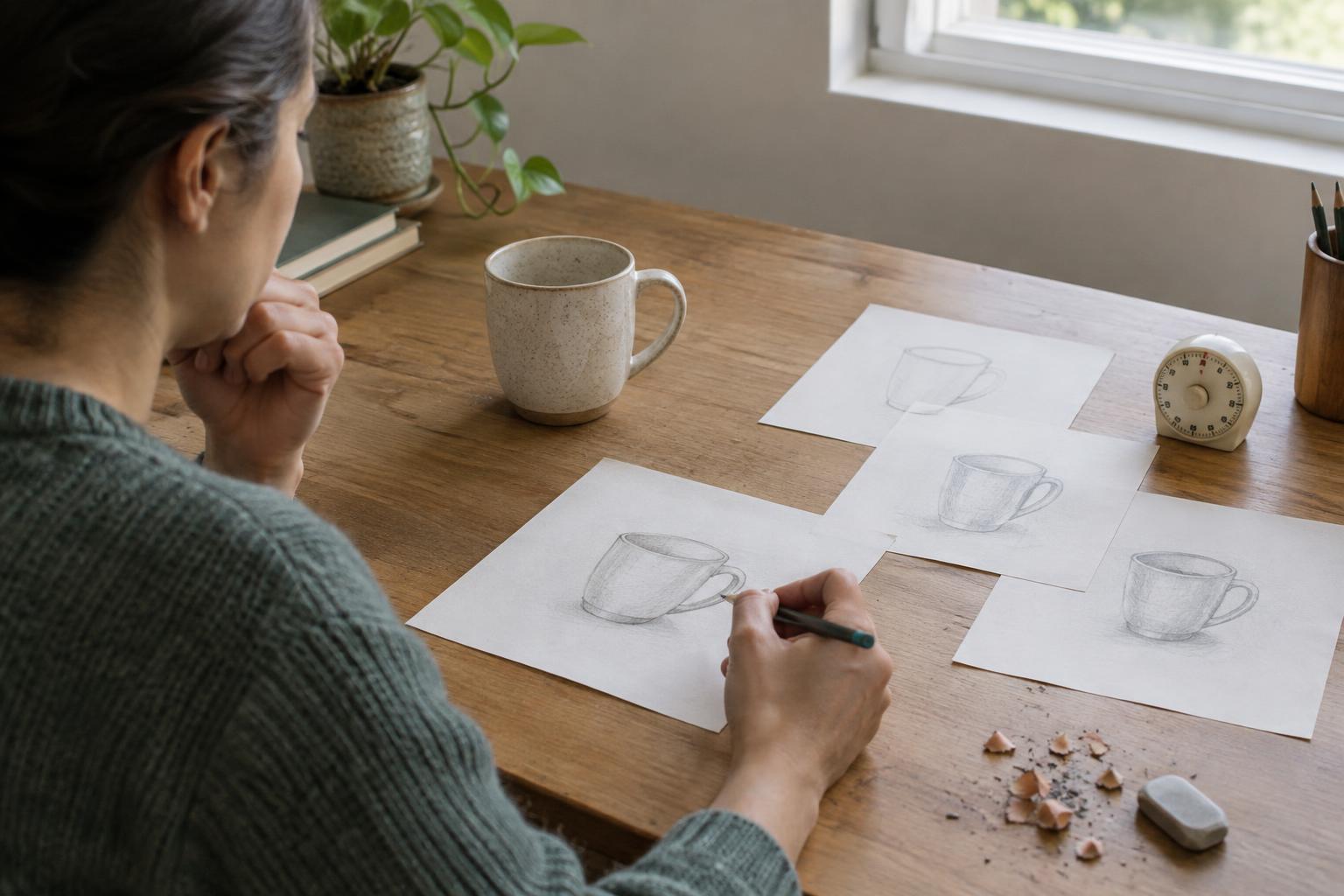
When time is scarce, “learn to draw” or “get better at writing” is too broad to guide a practice session. Choose one action you can repeat and observe. You might practice drawing a mug from different angles, writing clearer opening sentences or explaining an idea aloud in two minutes. A narrow target makes it easier to start and easier to tell what changed.
Pick a target that matters to a real use of the skill. If you want to speak more clearly in meetings, practicing a short explanation of a project may be more useful than memorizing general presentation tips. Describe what you want to do, under what conditions and what a reasonable attempt would look like. Keep that description modest: the goal of practice is to produce attempts you can learn from, not to perform perfectly.
Give each short session a job
A useful session can fit into 15 or 20 minutes. Spend a minute recalling your target, make several attempts, then use the last few minutes to review them. For example, if you are learning a language, you could describe the same daily task three times without reading a script, then note which words or sentence patterns stopped you. If you are practicing a software feature, you could complete one small task from memory before checking the instructions.
Decide in advance whether a session is for learning a method or testing what you can already do. During a learning session, pause, look things up and work slowly. During a test, try the task without help first. Both are valuable, but mixing them can hide a gap: following a tutorial successfully is different from completing the task on your own.
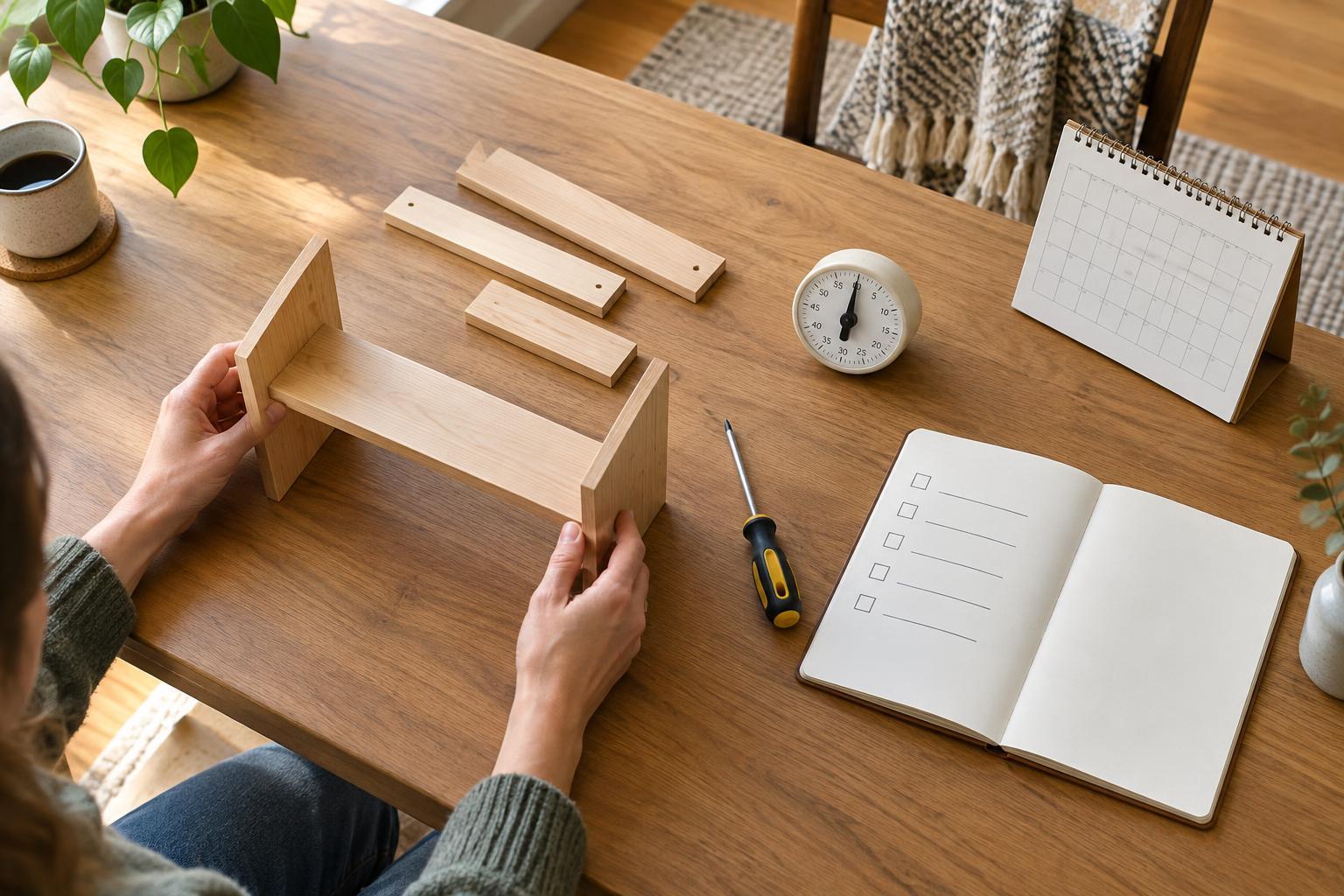
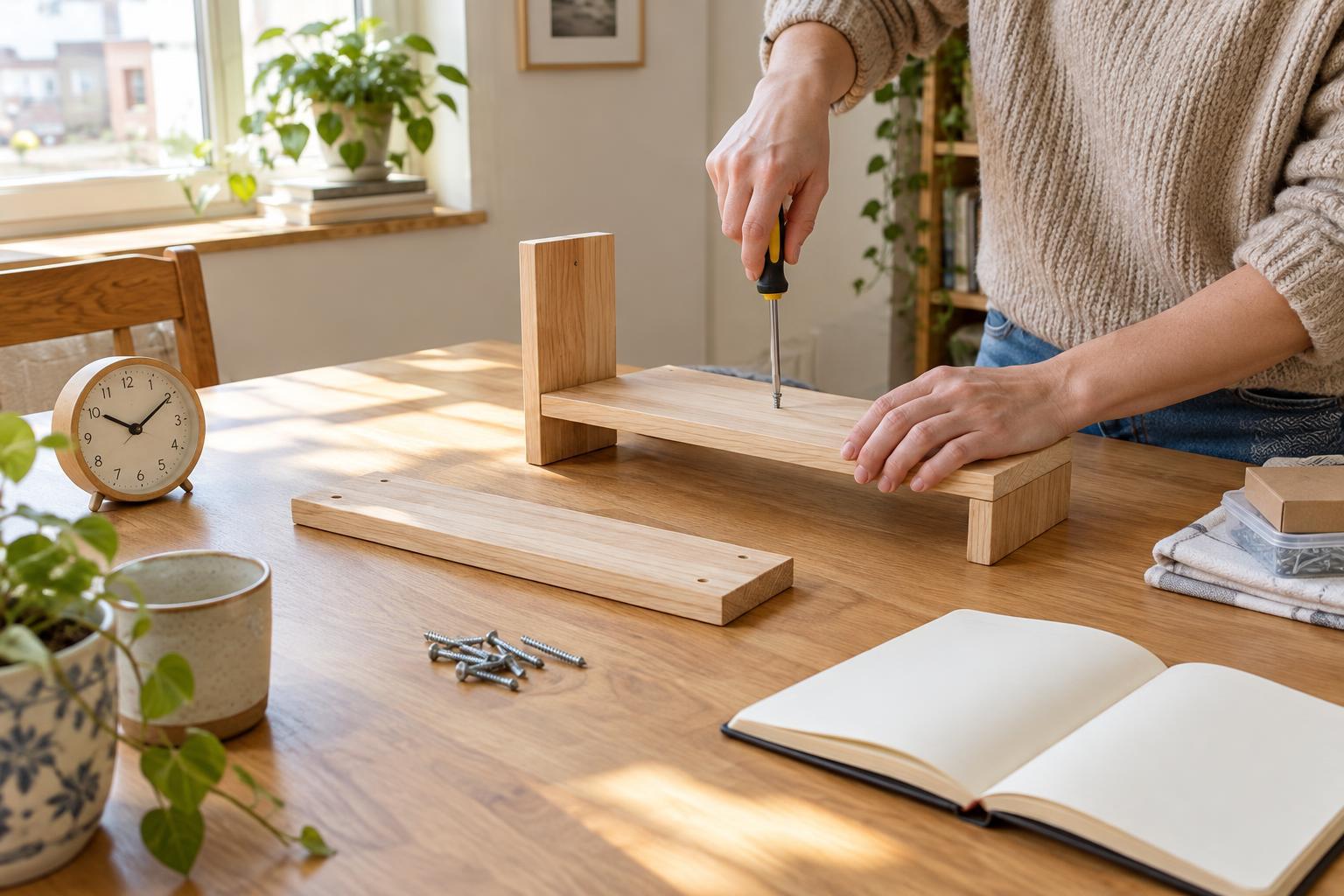
Make starting easy. Leave your materials ready, write down the next exercise and use a repeatable time or cue when possible. A short session you can return to is more useful than an ambitious plan that requires a free afternoon every time.
Build a feedback loop without an instructor
Solo practice works best when you can inspect the result. Save drafts, record a short explanation, photograph a drawing or keep the file you made. Compare the attempt with the specific target you chose. Instead of asking whether it is “good,” ask a narrower question: Can a reader find the main point? Is the shape proportionate? Can I complete the task without checking each step?
Use examples and reference materials to spot differences, but do not treat every difference as a mistake. A clear sample can show you a technique to try; your own constraints and purpose still matter. When possible, ask another person one focused question, such as “Which step was unclear?” A question like that is easier to answer and more useful than a general request for a verdict.
Some skills require more than self-review. If errors could cause injury, damage or other serious harm, use appropriate supervision or training rather than relying on trial and error. For lower-stakes skills, feedback will often be imperfect. Look for recurring problems across several attempts before changing your whole approach.
Change one thing, then try again
Review becomes practice when it leads to another attempt. After each session, choose one adjustment. You might slow down at a difficult step, simplify the task, use a checklist or work from memory for a little longer. Try the adjusted version while the previous attempt is still fresh. Changing one thing at a time helps you notice whether it was useful.
Balance repetition with variety. Repeating the same exercise can help you gain control, but eventually you need to use the skill in slightly different situations. Once you can write a clear opening for one familiar topic, try an unfamiliar topic. Once you can complete a task with notes, try it with fewer prompts. If the new version falls apart, return to an easier version and rebuild from there.
Track evidence, not just time spent
Keep a brief practice log with the date, the exercise, one thing that worked and the next thing to try. This takes little time and prevents each session from starting as a blank slate. Save occasional examples of your work, too. Comparing an early attempt with a later one can reveal changes that are hard to notice day by day.
Every few weeks, ask whether your practice still matches the reason you started. You may need a harder exercise, a simpler one or a different target altogether. Limited time makes this choice important: progress is not measured only by how many minutes you put in, but by whether the skill becomes more reliable when you need it.