Start with the experience you want
A personal project can be a way to learn, make something useful, explore a curiosity, or enjoy a change of pace. Before choosing one, ask what you want the work itself to feel like. Do you want quiet concentration, hands-on activity, a chance to share with others, or a clear finished object? An idea can sound appealing in the abstract while its daily tasks feel tedious. If you like the thought of making a photo book but dislike sorting images, that difference matters.
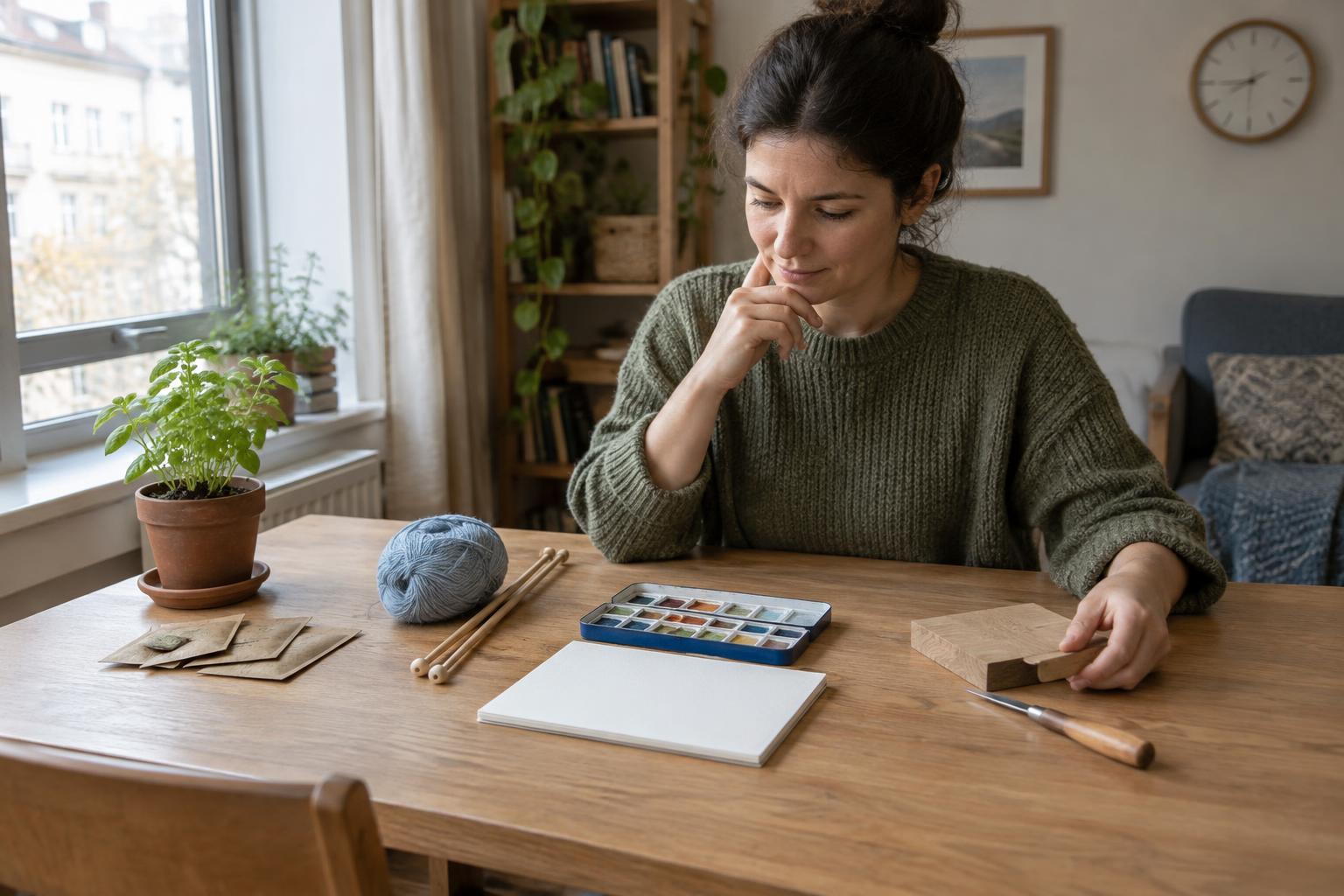
Write down three project ideas without judging them yet. For each, name the activity you would repeat most often. “Make a photo book” might mean selecting pictures, arranging pages, and writing captions. “Learn to draw plants” might mean observing a leaf and making short sketches. This turns a broad ambition into a more useful question: would you want to spend an ordinary afternoon doing this?
Use your actual schedule, not your ideal one
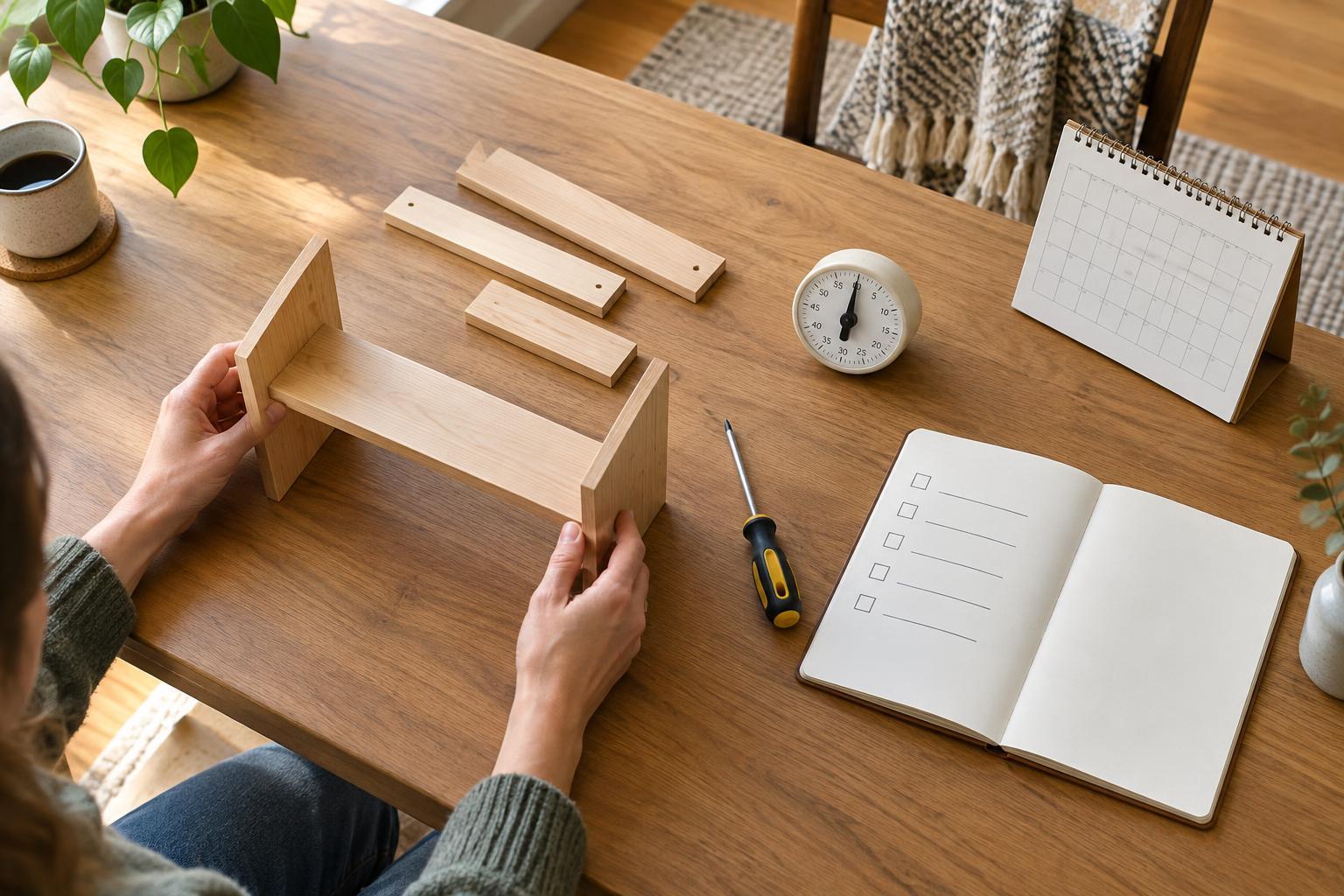
Look at the time you could comfortably use over the next few weeks. Include setup and cleanup, not just the main activity. A project that needs an uninterrupted afternoon may be frustrating if you usually have twenty-minute gaps. Neither schedule is better; they suit different projects.
Give each idea a smallest useful session. Could you make progress in fifteen or thirty minutes, or would you need longer? Then estimate how often you could repeat that session without taking time from commitments you value more. Be cautious about choosing a project that works only if every week goes perfectly. If your time is unpredictable, favor work you can pause easily: collecting recipe notes, practicing a short piece of music, or drafting one page at a time.
Also decide what “enough” looks like. A small project might end with five tested recipes rather than a complete cookbook. A defined finish line helps you choose a scope that belongs in your calendar.
Check the space and resources it requires
Space affects more than whether a project is physically possible. Think about where supplies will live, whether work can stay out between sessions, and how much noise or mess the activity creates. If you share a table, a project that packs into one box may be easier to return to than one that needs a permanent work surface.
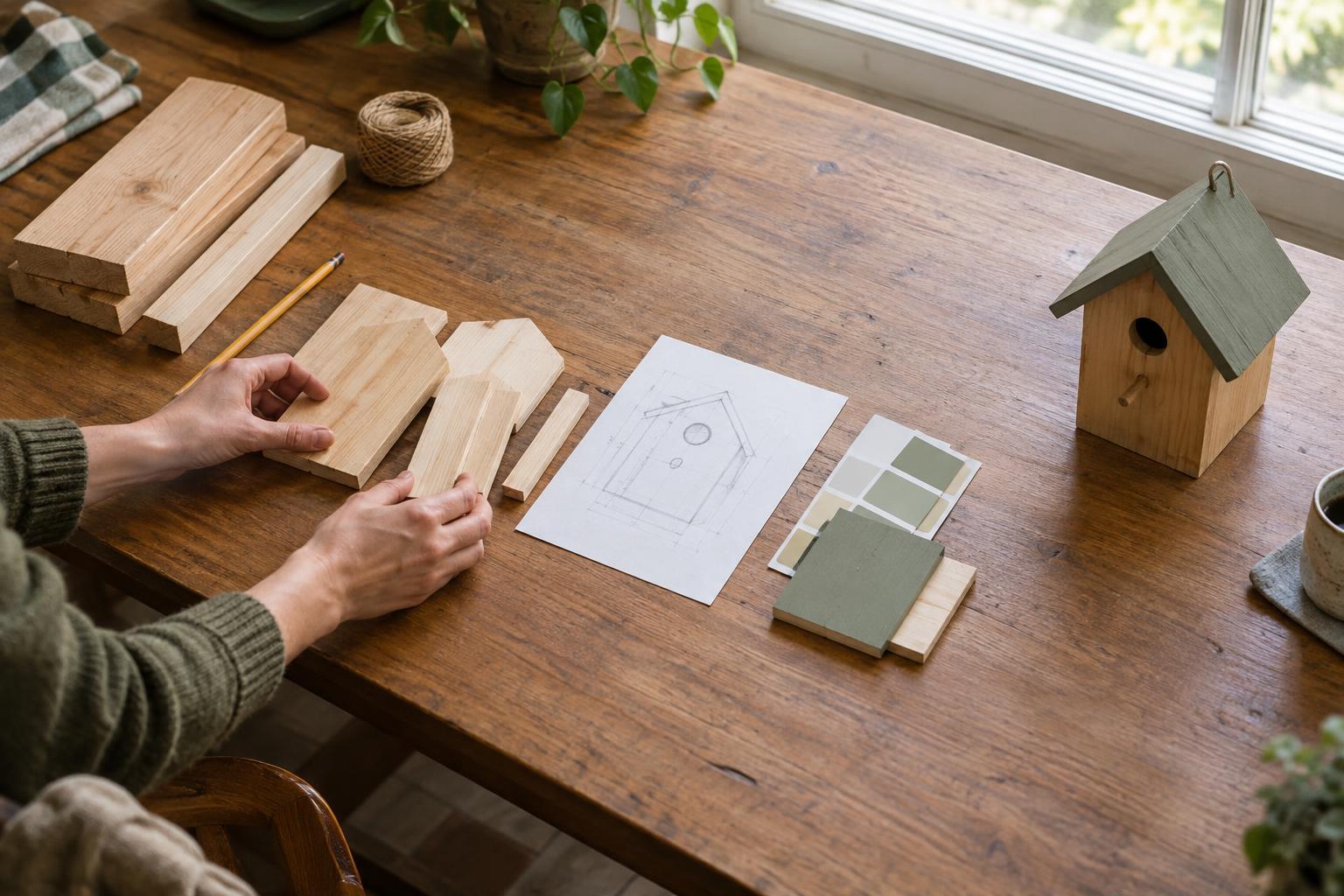
Make a short list of what each idea requires to begin, what you already have, and what you would need to obtain. Separate essentials from tempting extras. You may be able to try an idea with borrowed equipment, basic materials, or a smaller version before buying specialized supplies. Check practical limits, too: ventilation, safe storage, access to an outlet, or permission to use a shared area may shape your choice.
Constraints need not end an idea. They can suggest a better format. If a large woodworking project is impractical, a small repair or a design sketch may let you explore the same interest with less space.
Compare ideas with a short trial
Instead of trying to predict which project you will love for months, test the first step of two promising ideas. Keep each trial small and similar in effort: one sketching session, one simple recipe, or one hour organizing material for a family-history project. The purpose is to learn what doing the work feels like, not to produce a polished result.
After each trial, note three things: what held your attention, what created friction, and whether you want another session. Friction might come from the task itself, or from a fixable detail such as poor lighting or hard-to-find supplies. Pay attention to your reaction after the session as well. You do not have to enjoy every minute, but some part of the process should feel worth returning to.
If two ideas still appeal, choose the one that is easier to start under your current conditions. You can keep the other on a later list rather than forcing both into your schedule.
Make a modest first commitment
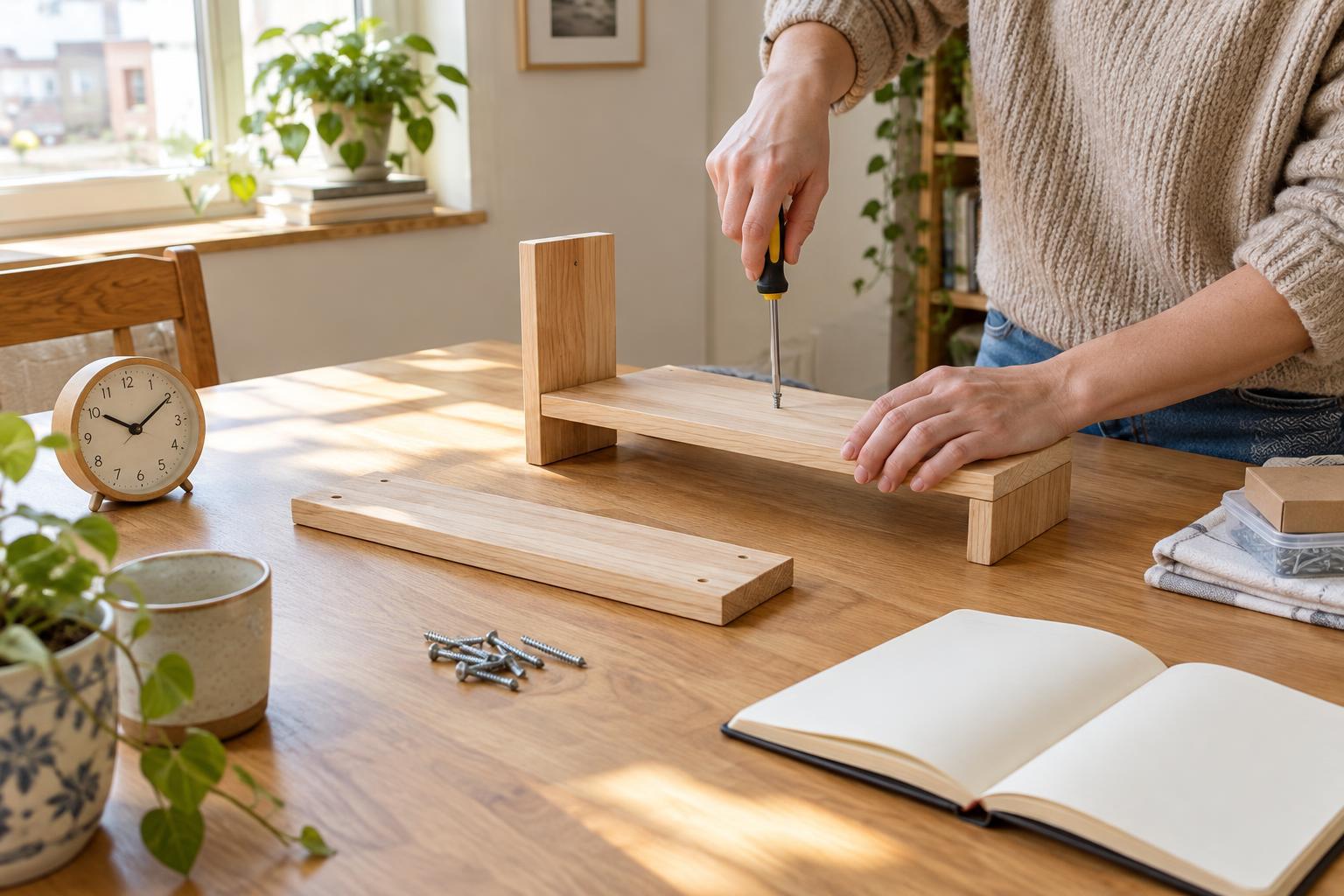
Once you choose, set a short initial commitment: for example, four sessions or one small finished piece. Write down the next action, where you will do it, and what materials you need. “Work on my project” is easy to postpone; “put the notebook on the table and outline one page” gives you a place to begin.
At the end of that first stretch, review the fit rather than grading your talent. Did the time requirement match your week? Was the space workable? Did your interest hold up once the novelty faded? You can continue, shrink the scope, change the format, or stop. Choosing well does not mean predicting everything in advance. It means giving an idea a fair, manageable test and using what you learn to decide what deserves more of your time.