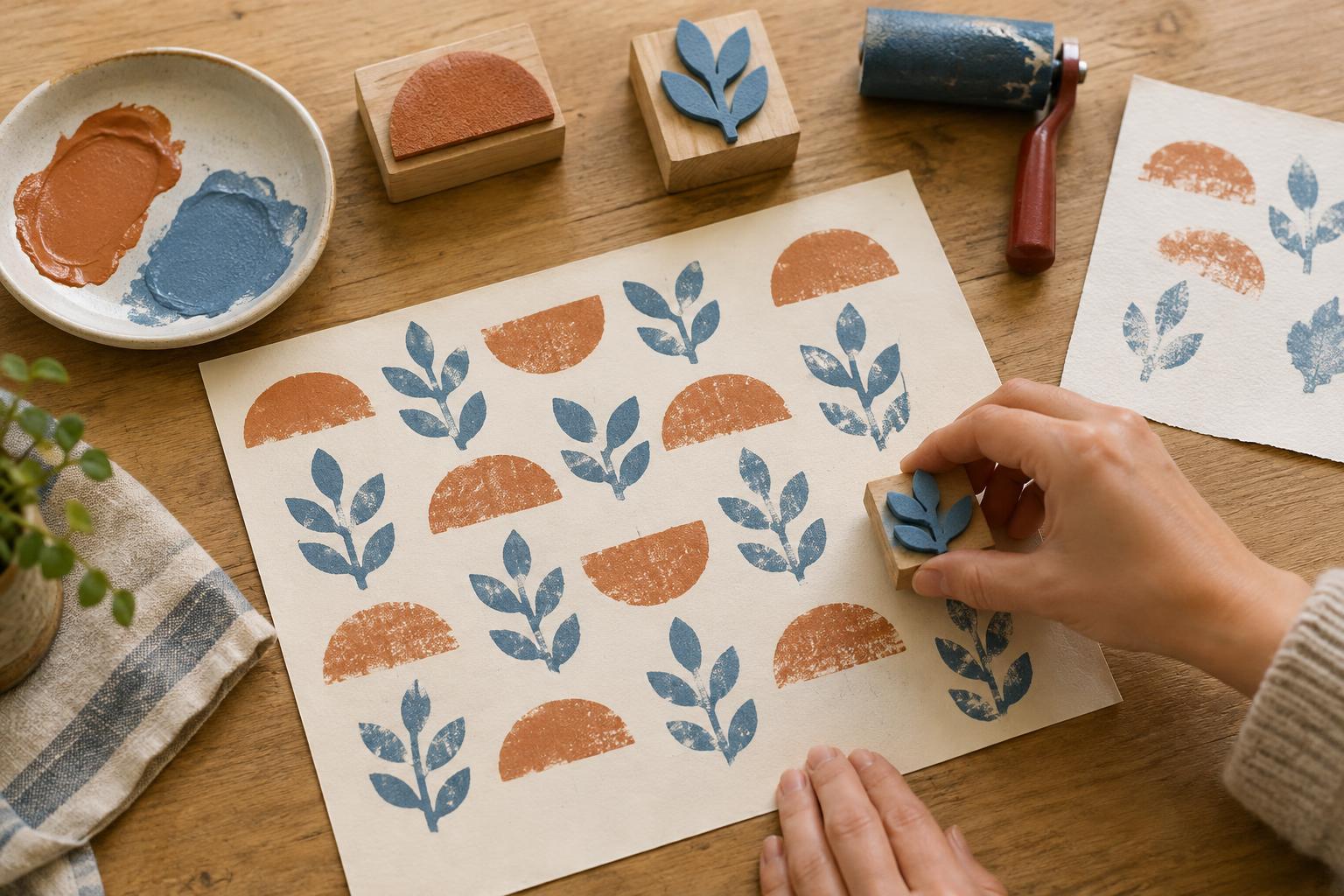
Treat cleanup as part of the task
A project can fit your schedule on paper and still be hard to do at home. Painting a small object may take an hour, but setting out supplies, protecting the table, waiting for the surface to dry, and putting everything away can take much longer. The same pattern appears in sewing, gardening, repairs, and other hands-on projects. If you count only the main activity, each session may end with a rushed cleanup or an unusable room.
Before starting, write down what the work will leave behind: scraps, dust, wet materials, packaging, tools, or unfinished pieces. Then add setup and cleanup to your estimate for each session. This does not need to be precise. Even a rough allowance helps you choose a stopping point you can reach while there is still time to restore the space.
Match the work to the space
Choose a work area based on what the task actually involves, not just where there is an empty surface. Ask whether the area has enough light, room to move, and a place for materials that need to stay undisturbed. Consider who else uses it. A dining table may be convenient for cutting fabric but awkward for a project that must remain spread out for several days.
Some activities bring noise, odors, dust, or other conditions that make a shared indoor space a poor fit. Check product instructions and use a more suitable location or method when needed; a drop cloth cannot solve every problem. If the ideal space is unavailable, consider doing a smaller part of the project now, such as measuring or assembling a materials list, rather than forcing the messier step into the wrong place.
Contain materials before work begins
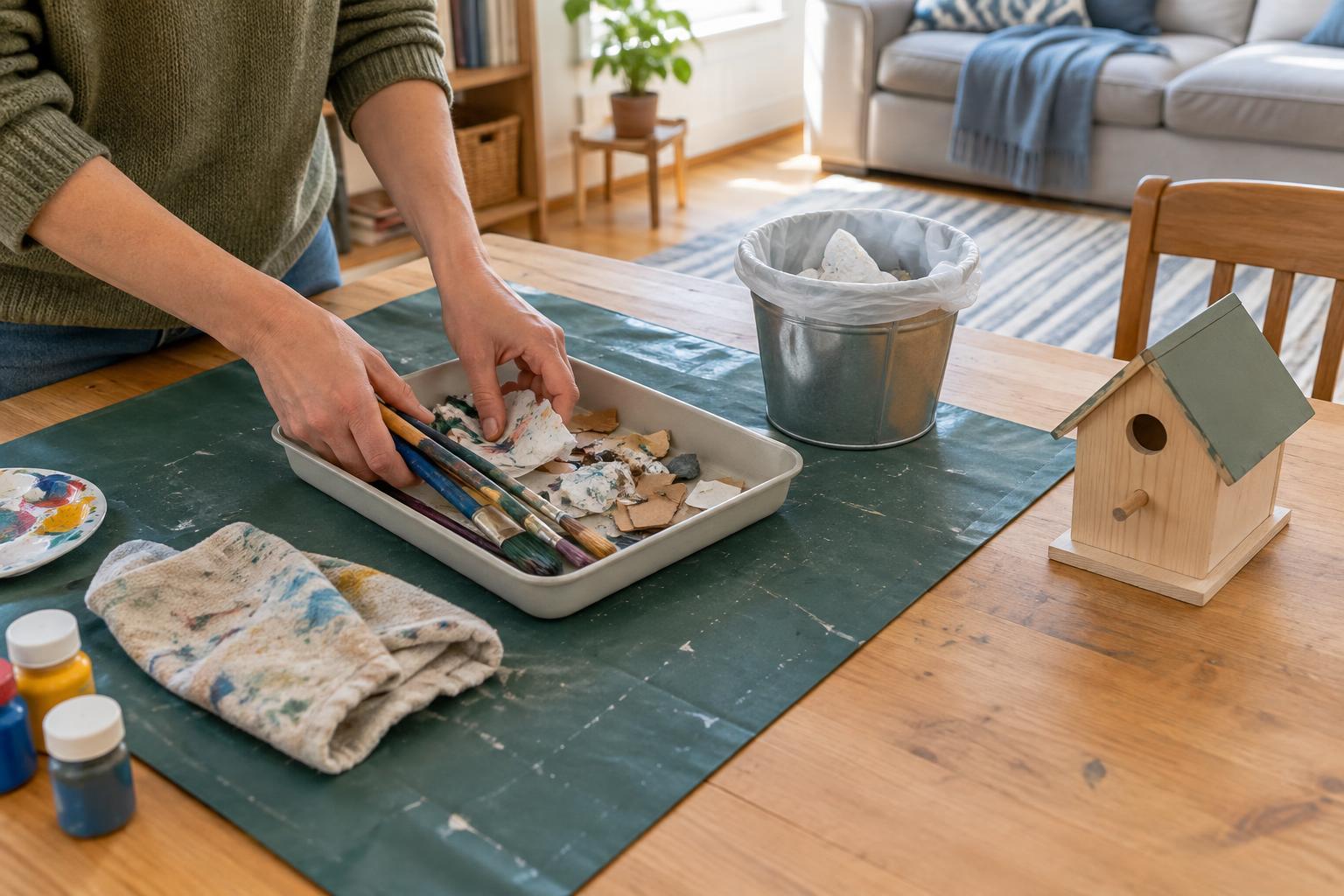
A simple setup can prevent a small task from spreading through the room. Put a container nearby for offcuts and packaging. Keep frequently used tools in one tray or box rather than distributing them across every available surface. Protect surfaces where appropriate, and set aside a separate spot for clean items so they do not get mixed with scraps or wet materials.
Think about the path between the work area and storage, a sink, or an outside bin. If every trip carries loose pieces through the house, bring a suitable container to the project instead. For materials that require special handling or disposal, follow the instructions that come with them. The aim is not to create an elaborate workshop; it is to make the ordinary movement of tools and waste manageable.
Leave a clear stopping point
Plan sessions around a state you can safely leave behind. That might mean finishing one coat before putting painting supplies away, securing loose components before moving a repair, or ending a cutting session after labeling the pieces. Avoid beginning a step that must be completed in one stretch when you have only a short window.
At the end of a session, separate three things: waste to remove, tools to clean or return, and work to keep. A short note can record what is finished and the first action for next time. If pieces need to remain laid out, mark where they belong and agree on how long the space can stay occupied. A planned pause is easier to manage than an unfinished task left wherever time ran out.
Improve the setup after one session
You do not have to predict every inconvenience before starting. After the first session, notice what took longer than expected. Did you spend ten minutes looking for a tool? Did scraps fall outside the protected area? Did cleanup make it difficult to stop on time? Change one part of the setup before the next session, such as adding a larger waste container or moving the work closer to storage.
Keep the adjustment proportionate to the project. A one-day task may need only a spare box and a wipeable surface. A longer project may benefit from labeled containers and a designated place for work in progress. When setup and cleanup are repeatable, the project becomes easier to return to—and easier to fit into daily life.