Start with one question
A promising project can expand quickly in your imagination. You picture the finished workshop, newsletter, garden or handmade product before you know whether the basic idea works for you. A small trial creates a pause between interest and commitment. Its purpose is not to prove that the project will succeed. It is to learn something useful without spending more time, money or energy than you can comfortably spare.
Write the idea in one sentence, then name the uncertainty that matters most. You might wonder whether you enjoy making the thing, whether you can fit the work into your week or whether a few intended users understand its value. Choose one question for the first trial. Trying to answer all of them at once often leads to an oversized project and results that are hard to interpret.
Build the smallest honest version
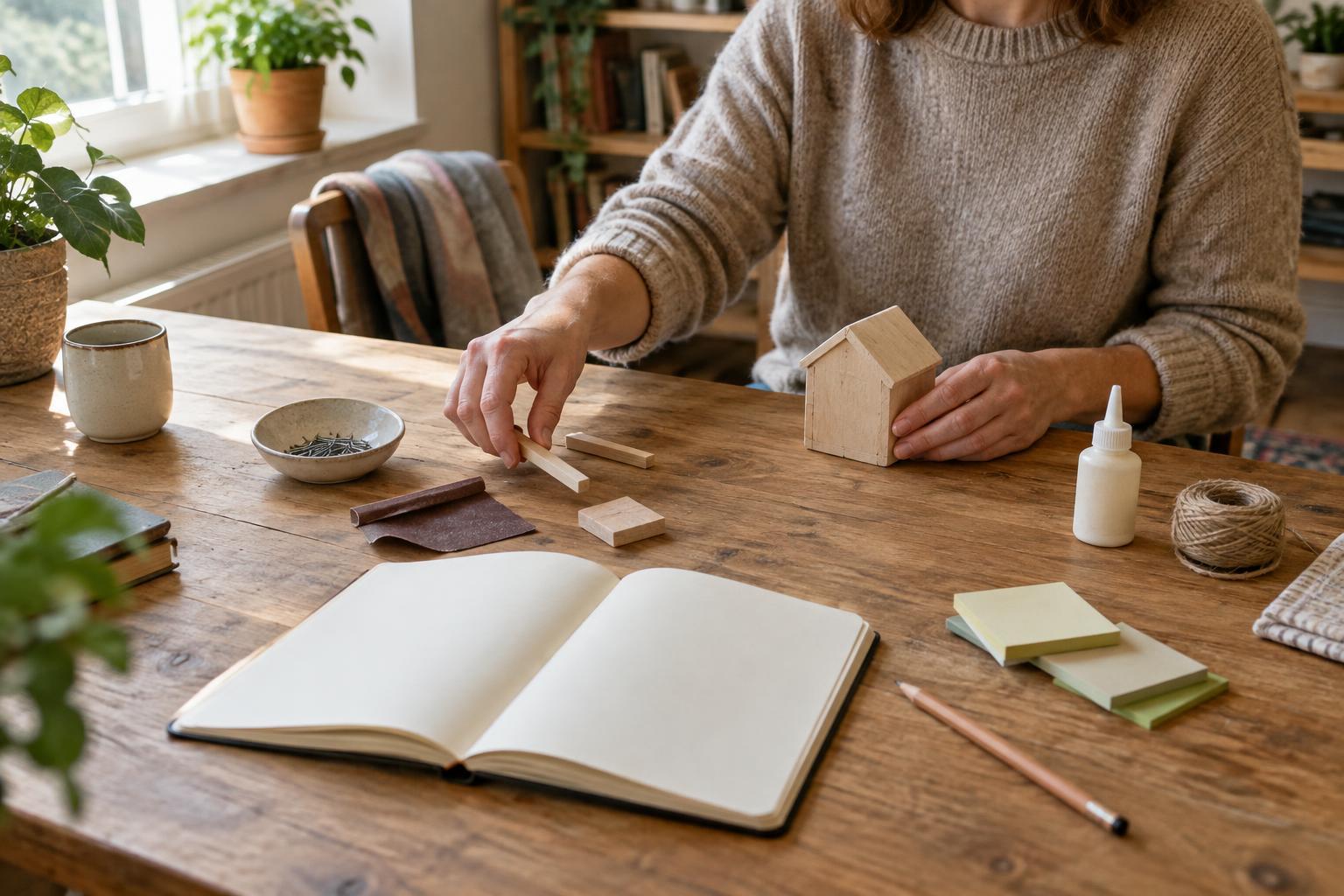
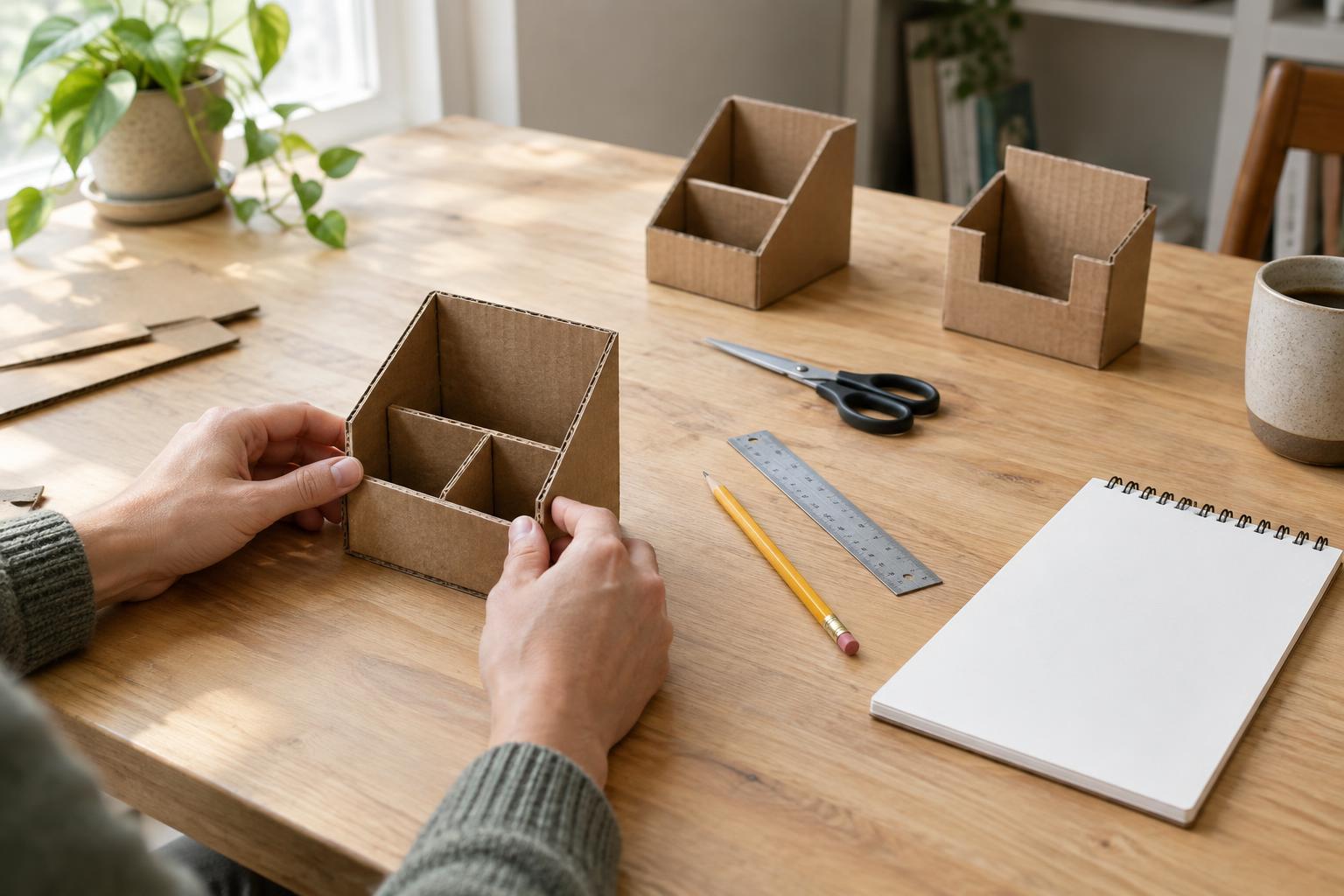
Design a trial that resembles the real project in the way that matters to your question. If you want to run a community workshop, you could teach one short session to a few volunteers rather than book a venue and plan a full series. If you want to make a guide, draft one useful page rather than design an entire publication. The trial should be small, but it should still let you practice the central activity.
Set boundaries before you begin: what you will make, what you will spend and when you will stop. Use materials you already have where practical. Leave out branding, elaborate equipment and finishing touches unless they are what you need to test. Cutting scope is not a way to lower your standards; it is a way to direct your effort toward the question you chose.
Decide what you will observe
A trial is more useful when you know in advance what would count as a helpful result. Choose a few observations you can actually make. For a project you are doing for yourself, note how long the work takes, which steps are difficult and whether you want to repeat them. For a project intended for others, notice where people hesitate, what they ask for and whether they can use what you made without a long explanation.
Avoid setting a pass-or-fail target that depends on perfect conditions. Someone may be unavailable to try your work, or your first attempt may be awkward simply because it is new. Record what happened along with the circumstances. A brief note after each session is enough: what you planned, what you did, what surprised you and what you would change.
Ask for feedback you can use
If other people are part of the project, invite feedback without asking them to predict its future. Questions such as “Where did you get stuck?” and “What would you change first?” are often easier to answer than “Is this a good idea?” Give people permission to be specific and critical. Explain that you are testing an early version, not asking them to approve a finished product.
Separate observations from interpretations. “Two people asked for clearer instructions” describes something you can address; “Nobody likes the concept” goes further than that evidence supports. Pay attention to repeated points, but do not redesign everything in response to one preference. Your own experience matters too. A project that others appreciate may still be a poor fit if you cannot sustain the work it requires.
Make a decision while the trial is fresh
When the trial ends, compare what you learned with your original question. You might continue with a slightly larger version, change one feature and run another small test, pause until you have more time, or stop. Stopping can be a useful outcome: it may save you from investing heavily in something you do not enjoy or cannot currently support.
Write a short decision note before moving on. Include the question you tested, the most relevant observations and the next action you have chosen. If you continue, make the next step specific and manageable rather than turning the trial into an open-ended commitment. A project idea does not need a dramatic launch to become worthwhile. It needs a way for you to learn, adjust and choose your level of involvement deliberately.