Start with the decision, not the subject
An unfamiliar project can make everything seem worth researching. If you want to build a small bookshelf, for example, you could spend weeks comparing tools, materials, finishes and joinery methods. Much of that information may be interesting, but only some of it will help you take the next step. Before opening another guide, write down what you are trying to decide: Can I make this with the tools I have? What size will fit the space? What should I practice before cutting the final pieces?
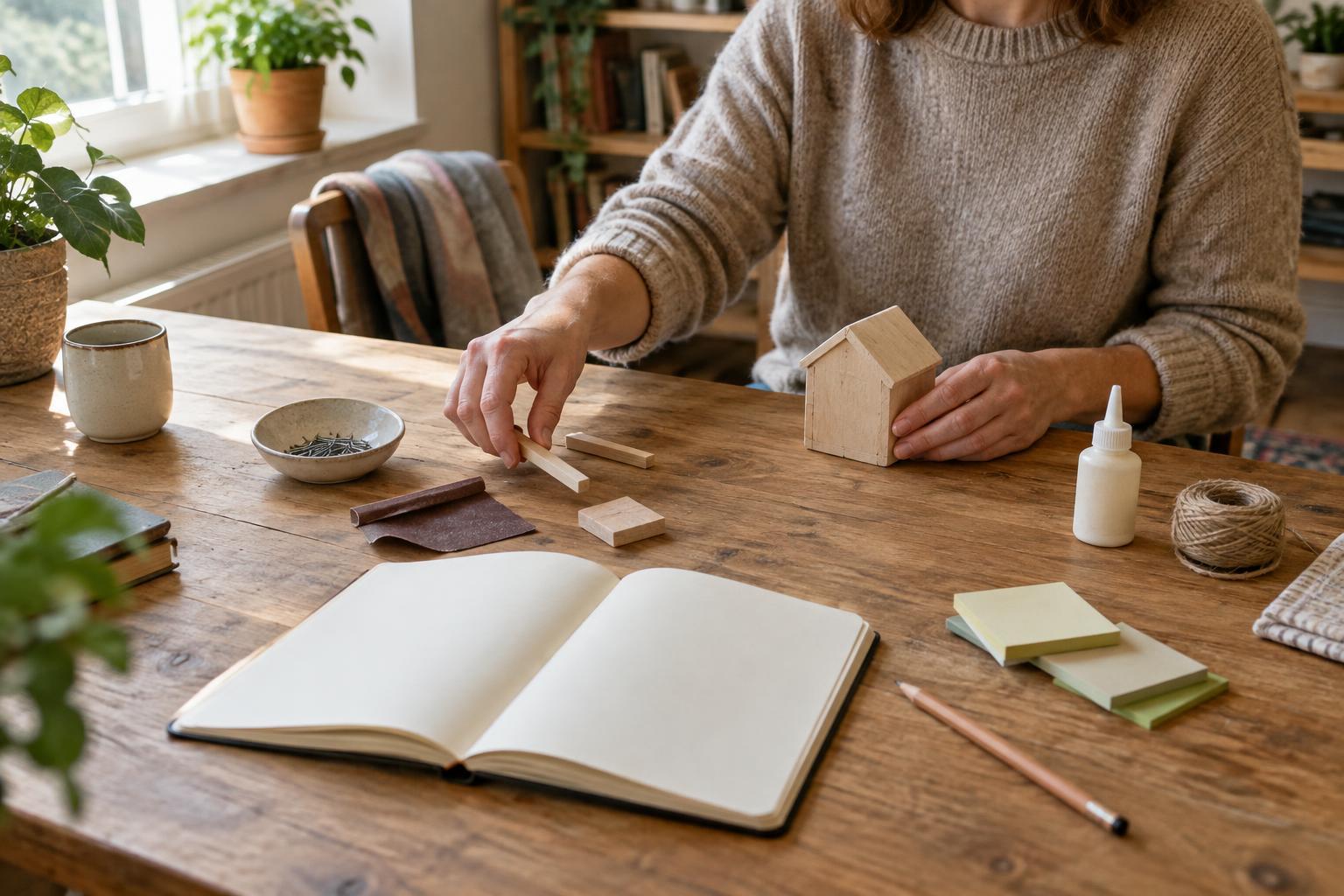
Give the project a modest first outcome rather than a perfect final vision. You might aim to make a rough plan, complete a sample, or assemble a basic version. Then list the questions that stand between you and that outcome. This turns research into a service for the project instead of a project of its own.
Sort questions by what happens if you get them wrong
Not every unknown deserves the same attention. Separate your questions into three groups: things you must know before starting, things you can learn while working, and preferences you can decide later. Safety requirements, essential measurements and expensive purchases usually belong in the first group. A choice of decorative finish may not.
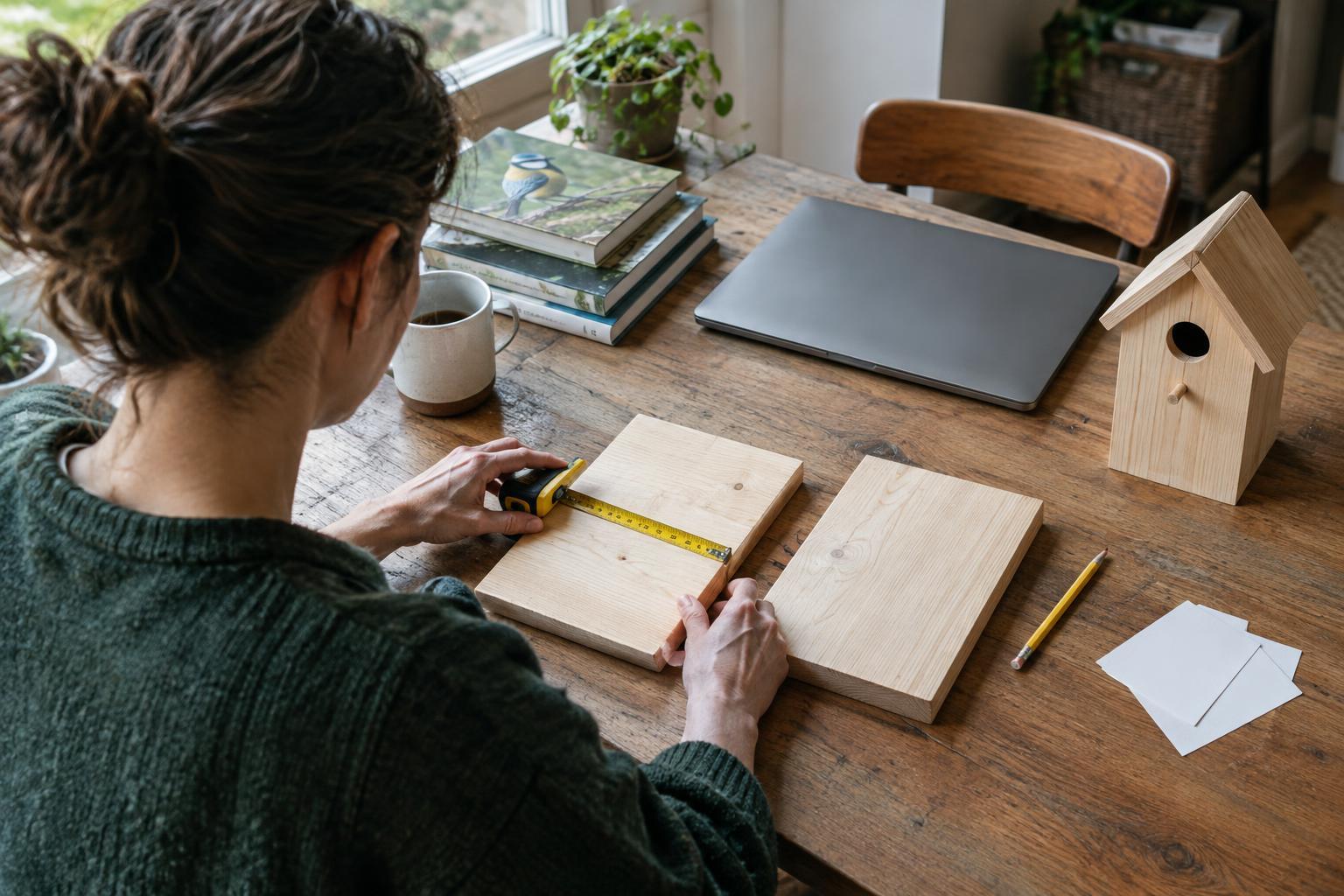
For each important question, ask what a mistaken answer would cost. If the result would be unsafe, difficult to undo or costly to replace, slow down and check carefully. If you could correct it on a scrap piece or in a draft, a small test may teach you more than extended reading. This approach does not eliminate uncertainty; it helps you spend preparation time where it matters most.
Gather enough information to act
Choose sources that match the specific decision in front of you. Instructions for a comparable project can show a sequence of steps. Product documentation can clarify how a particular tool or material is meant to be used. Someone with relevant experience may be able to point out a constraint you have overlooked. When sources disagree, look for differences in their assumptions: they may be working at different scales, using different materials or aiming for different results.
Keep notes in a short decision log rather than saving everything. For each question, record what you found, the option you chose and what remains uncertain. A note such as “Use the material already on hand; test the finish on an offcut first” is easier to act on than a folder full of links. If new information does not change a decision or reveal a meaningful risk, you may not need to keep collecting it.
Set a stopping rule before you start searching
Research can feel productive because each new article or video offers another possibility. A stopping rule gives you a clear point at which to switch modes. You might decide to begin once you can describe the first three actions, have checked any important safety guidance and know how to limit the cost of a mistake. You can also set a time limit for a narrow question, followed by a decision or a hands-on test.
The rule should fit the project. Planning a low-cost practice sketch requires less certainty than buying materials for a large build. If you reach your limit and still cannot choose, name the exact uncertainty that remains. Then find a smaller experiment that addresses it, such as making a cardboard model, trying one technique on spare material or drafting a single page before committing to the full version.
Let the first attempt guide the next round of research
Starting does not mean research is over. It changes the quality of your questions. Once you have made a sketch, prototype or partial draft, you can ask something precise: Why does this joint wobble? Is this schedule realistic? Which part of the instructions did I misunderstand? Specific questions are easier to investigate than a broad search for the best way to do the entire project.
After a short work session, note what you completed, what blocked you and the next decision you need to make. Research that blocker, then return to the project. Repeating this cycle keeps preparation connected to evidence from your own work. You do not need to feel fully ready to begin; you need a first step that is small enough to try and clear enough to learn from.