Start with a real task, not a vague goal
Goals such as “get better at writing” or “learn to draw” are hard to practice because they cover many different actions. Begin with something you would like to do: write a clear project update, sketch a familiar object, or explain a new idea to a friend. A real task gives you a way to notice where you get stuck and what improvement would look like.
Try the task once before making a detailed plan. Keep the attempt small enough to finish, and notice the moments when you pause, guess, or redo something. You are not testing whether you have talent. You are collecting clues about which parts of the task need attention.
Map the parts you actually use
Write down the actions involved from beginning to end. For a project update, those might include choosing the important facts, putting them in a sensible order, writing concise sentences, and checking whether the reader knows what happens next. For a sketch, they might include observing proportions, placing basic shapes, drawing edges, and adding shading. The list does not need to be a perfect model of the skill; it only needs to help you choose what to practice.
Separate parts that are difficult for different reasons. If you can explain an idea aloud but struggle to organize it on the page, planning may deserve more attention than word choice. If a drawing has convincing shading but the objects are the wrong size, work on proportions first. A useful part is one you can attempt on its own and evaluate without completing the entire task.
Turn one part into a focused exercise
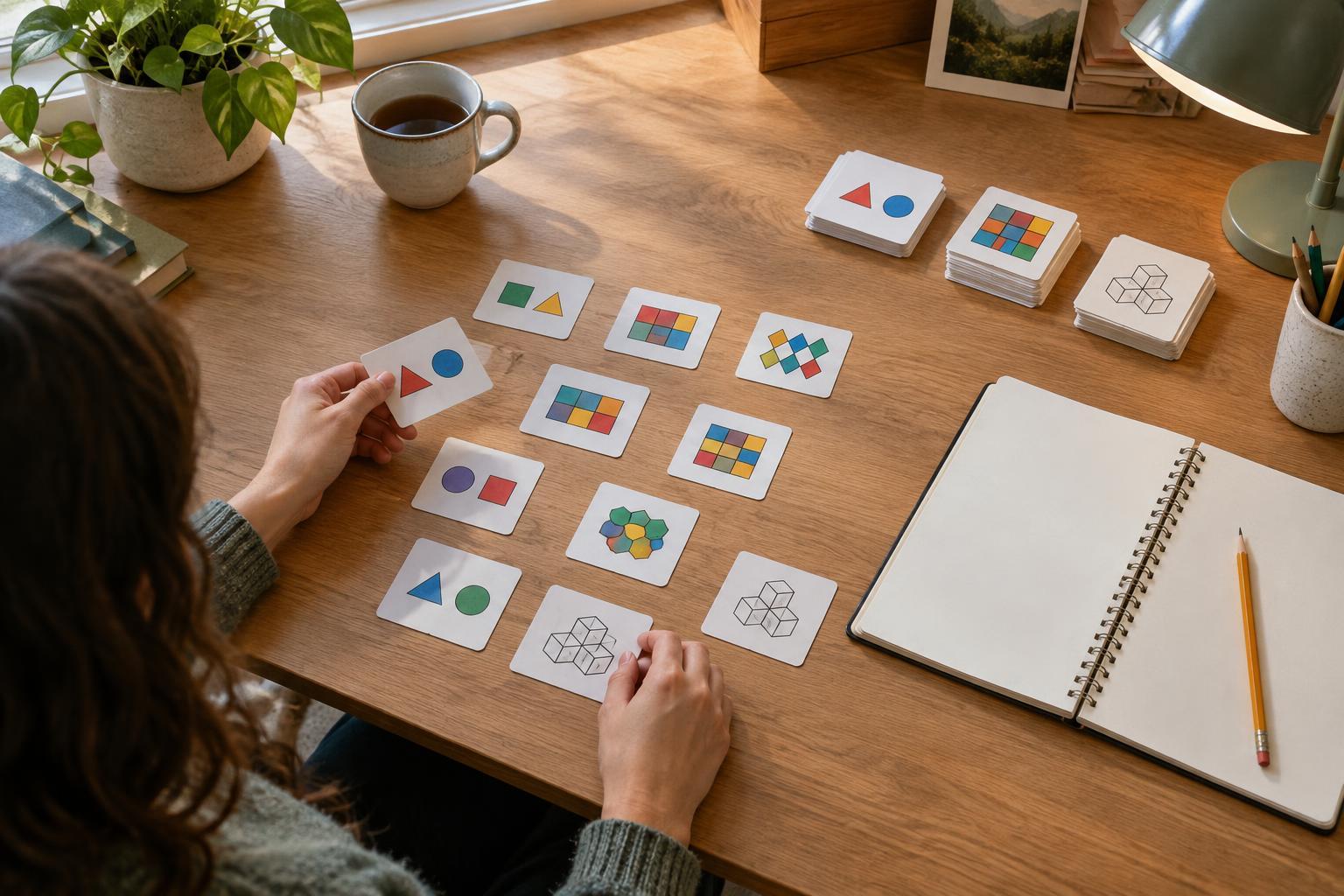
Choose one part and make an exercise that repeats the relevant action without too much setup. To practice ordering information, take a handful of notes and arrange them into a brief outline before writing any sentences. To practice proportions, draw several quick outlines of the same simple object without adding detail. Keeping the exercise narrow makes it easier to tell what changed between attempts.
Give the exercise a clear finish line. “Make three outlines that each include the main point, one supporting detail, and a next step” is easier to carry out than “practice communicating.” Use a short session if that helps you begin, but do not mistake repetition for improvement. After each attempt, compare the result with the task you set yourself and make one deliberate adjustment.
Use feedback you can act on
Feedback is most helpful when it points to a specific choice. Instead of asking whether your work is good, ask whether the main point is easy to find, whether two shapes are in the right relationship, or where an explanation becomes confusing. You can sometimes answer these questions by setting your work aside briefly and returning to it. A trusted reader or practice partner may notice things you missed.
Keep a simple record of what you tried and what you would change next time. It might be a few lines in a notebook: “The opening was clear, but the next step was buried. Put it in its own sentence.” This gives your next practice session a starting point. If an exercise repeatedly produces no useful insight, make it simpler, change the example, or practice a different part.
Put the pieces back together
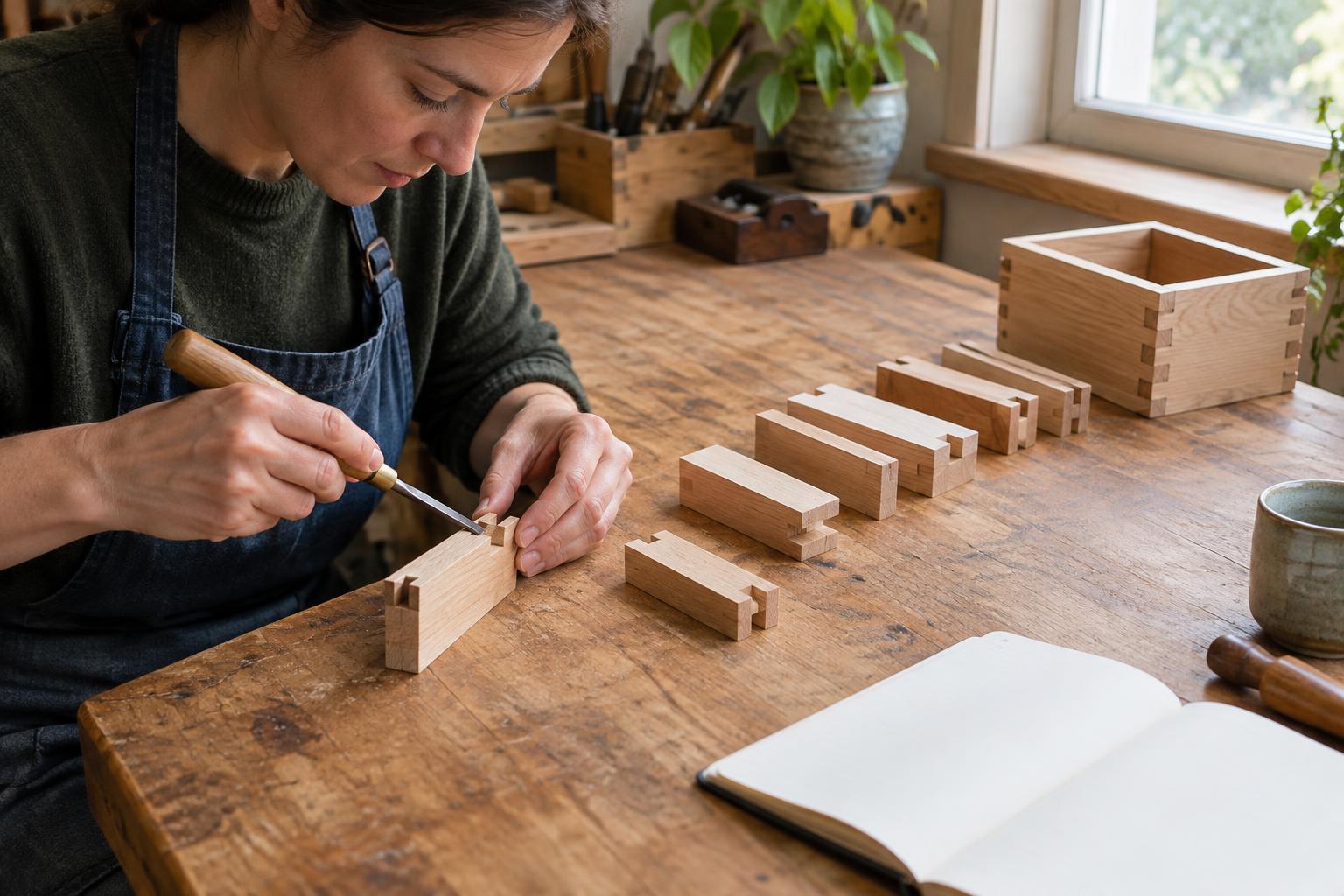
Isolated exercises help you pay attention, but they are not the whole skill. After practicing a part, return to the real task and use what you learned. You might write a complete update after working on outlines, or draw a full object after practicing its basic shapes. This reveals whether the part still holds up when you are also managing everything else.
Expect some unevenness. A new approach may feel slow when you first combine it with other actions. Alternate between focused exercises and complete attempts: use the full task to spot a difficulty, practice that difficulty on its own, then try the full task again. As one part becomes more manageable, choose another. The aim is not to find a flawless sequence of exercises, but to make practice specific enough that you know what to do next.